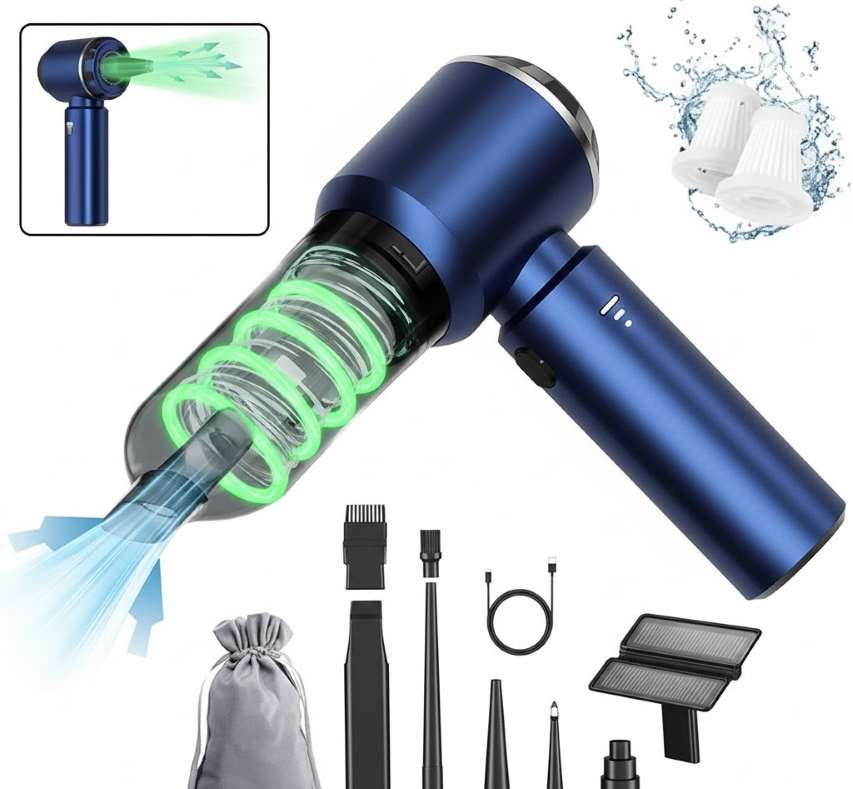
Maintaining a clean car is about more than just aesthetics—it preserves paintwork, ensures clear visibility, and protects the interior. While traditional washing relies on buckets and hoses, electric car cleaners have revolutionized the process, offering efficiency, power, and superior results. This guide explores the world of electric car cleaning tools, from handheld vacuums to high-tech steam cleaners.
🤔 What is an Electric Car Cleaner?
An "Electric Car Cleaner" is a broad term for any cleaning device powered by electricity that is designed to clean a vehicle. Unlike manual tools like sponges and cloths, these devices use motors to generate pressure, suction, or airflow to remove dirt more effectively. They can be plugged into a standard wall outlet, a car's 12V socket, or run on rechargeable batteries for portability.
🔌 Main Types of Electric Car Cleaners
There are several categories of electric cleaners, each designed for a specific aspect of vehicle care. Choosing the right tool depends on whether you are cleaning the exterior, the interior, or delicate electronic components.
| Cleaner Type | Primary Function | Best Use Case |
|---|---|---|
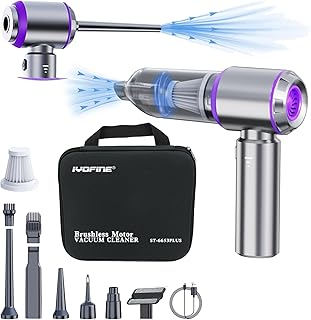
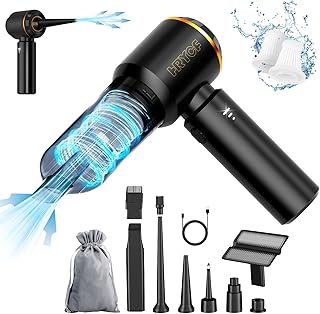
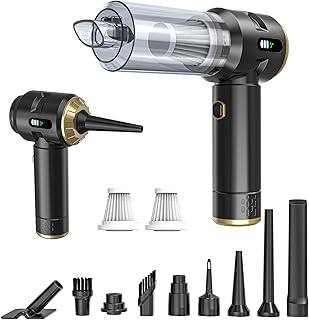
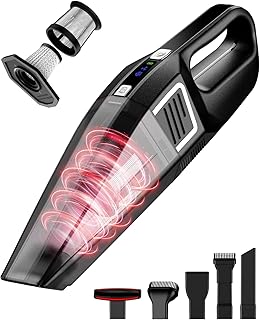
| Electric Vacuums & Blowers | Interior cleaning; removing dust and debris from carpets, seats, and crevices. | Frequent interior maintenance, deep cleaning of floor mats, and reaching tight spaces like air vents. |
| Pressure Washers | Exterior cleaning; spraying water at high pressure to remove mud, grime, and road salt. | Exterior washing, pre-wash stages, and applying foam via a foam cannon. |
| Steam Cleaners | Sanitizing interiors and engines; using high-temperature vapor to dissolve grease and kill bacteria. | Chemical-free deep cleaning of upholstery, dashboards, and engine compartments. |
| Electric Air Dusters | Precision dusting; blowing air to clean delicate areas like instrument clusters and electronics. | Dashboard maintenance, cleaning touchscreens, and pre-vacuum dust removal. |
| Specialized Motor Cleaners | Mechanical maintenance; using chemical sprays to clean electric motors and GDI systems. | Removing carbon buildup and contaminants from sensitive electrical components safely. |
✨ Key Benefits of Using Electric Cleaners
Switching from manual washing to electric tools offers significant advantages:
Superior Cleaning Power: Electric devices provide consistent, high-powered performance. Vacuums offer strong suction for embedded dirt, and pressure washers deliver forceful jets that manual washing can't match.
Efficiency and Speed: Powered tools drastically cut down cleaning time. A cordless pressure washer can turn any bucket of water into a mobile wash station in seconds, and a high-speed air duster can blow away dust from vents instantly.
Versatility: Many devices come with multiple attachments. Electric cleaners often include crevice tools, brushes, and extension hoses, allowing you to clean everything from the roof to the seat tracks with one tool.
Deep Cleaning and Sanitization: Steam cleaners, in particular, use high-temperature vapor to sanitize surfaces, killing bacteria, mold, and dust mites without harsh chemicals. This is ideal for allergy sufferers.
Eco-Friendly Options: Steam cleaning uses very little water compared to a traditional hose, making it an environmentally friendly choice. Some electric pressure washers are also designed to be water-efficient.
🛡️ Special Considerations for Electric Vehicles (EVs)
Cleaning an electric vehicle (like a Tesla, Polestar, or BYD) requires special attention due to its advanced technology and materials. Here’s what to keep in mind:
Interior Materials: Many EVs use vegan leather, recycled textiles, and modern plastics. These require specialized, gentle cleaners to avoid damage and maintain their appearance.
Paint Protection Film (PPF): Many EVs come with or can be fitted with PPF to protect against scratches. This film needs specific cleaning and protection products to maintain its gloss and elasticity.
Electrical Components: The engine bay of an EV contains high-voltage electronics. Never use a pressure washer directly on these components. Instead, a low-moisture method like steam cleaning is safer for cleaning the engine area.
Specialized Motor Cleaners: For maintenance, it's crucial to use cleaners specifically designed for electric motors. These cleaners are non-conductive and quick-drying to prevent short circuits and safely dissolve contaminants on sensitive parts.
Washing Precautions: When using any washer, be mindful of sensors. For example, avoid spraying water directly at the rain sensor located behind the windshield to prevent damage.
🧰 How to Choose the Right Electric Cleaner
Selecting the best tool for your needs depends on your living situation and cleaning goals.
For Apartment Dwellers & City Drivers: Portability is key. A cordless, compact pressure washer (like the Fanttik NB8 Flip) that folds down and runs on a battery is ideal. It can draw water from a bucket and is easy to store. A handheld electric air duster is also great for quick interior touch-ups.
For Detailing Enthusiasts: If you want a professional finish, consider a multi-tool approach. Use a foam cannon attached to a pressure washer for a pre-wash, followed by a steam cleaner for interior sanitization and a high-powered vacuum for carpets.
For EV Owners: Prioritize safety and material compatibility. Look for pH-balanced, non-abrasive cleaners for the interior. For mechanical maintenance, invest in a specialized non-conductive electric motor cleaner.
Key Specifications to Consider:
Power Source: Corded electric (unlimited runtime) vs. Battery-powered (portable, limited runtime).
Pressure (PSI): For pressure washers, higher PSI means more cleaning power. Compact models may offer ~174 PSI, while full-size units can go much higher.
Air Speed (m/s): For air dusters, look for high wind speeds (e.g., 120 m/s) and high motor RPM (e.g., 300,000 RPM) for maximum dust-blowing capability.
Runtime: For battery devices, check the continuous runtime (e.g., 30 minutes for a washer, up to 200 minutes for an air duster on low setting).
🖊️ Pro Tips for Using Electric Cleaners
To get the best results and protect your vehicle, follow these expert tips:
Layer Your Cleaning: For a deep clean, combine tools. Use an electric air duster to blow dust out of crevices before you vacuum it up.
Use the Two-Bucket Method: When hand-washing after a pressure washer pre-rinse, use one bucket for soapy water and another for rinsing your mitt to prevent scratching the paint with grit.
Protect Sensitive Electronics: When using a steam cleaner or pressure washer, be extremely careful around wiring, connectors, and body controllers. Cover them if necessary.
Maintain Your Tools: Clean microfiber towels regularly without fabric softener, and empty and clean vacuum filters to ensure your electric tools perform at their best.
Safety First: Always wear appropriate Personal Protective Equipment (PPE) like safety glasses and gloves when using chemical cleaners or high-pressure equipment. Ensure electrical sources are protected from water.
💡 Top Product Examples
Ciniffo Air Duster (W18A): A powerful electric duster with a 300,000 RPM motor, 120 m/s wind speed, and LED light for cleaning dark areas.
Fanttik NB8 Flip: A compact, cordless pressure washer ideal for city dwellers. It weighs under three pounds, folds up for storage, and includes a foam cannon.
KKE DR100 Series Steam Cleaner: An electric steam cleaner suitable for eco-friendly cleaning of interiors, exteriors, and engines, often integrated with a vacuum.
Berryman Electric Motor Cleaner: A non-flammable, quick-drying cleaner specifically designed to safely remove dirt and grease from electrical components.
Investing in the right electric car cleaner transforms car maintenance from a chore into a satisfying and highly effective process, ensuring your vehicle looks its best for years to come.
 |  |  |
 |  |  |