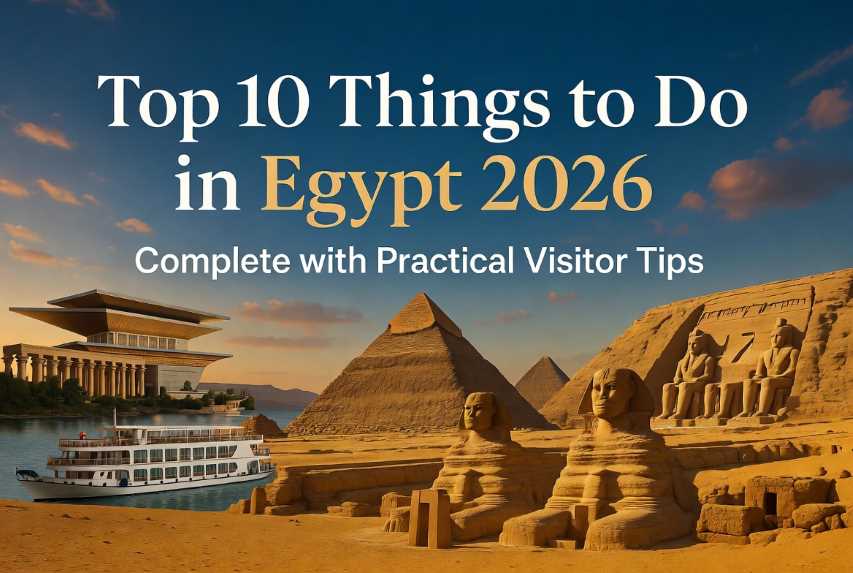
Egypt has always held a magnetic pull for travelers, but in 2026 the destination feels more vibrant and accessible than ever. The long-awaited Grand Egyptian Museum has been fully operational since late 2025, bringing thousands of artifacts — including the complete Tutankhamun collection — into a stunning modern setting right beside the Pyramids. At the same time, Egypt’s tourism sector continues its strong growth trajectory, with improved infrastructure, better visitor facilities, and a renewed focus on sustainable experiences. Whether you are a first-time visitor or a returning explorer, 2026 offers the perfect window to witness ancient wonders alongside contemporary comforts.
This guide delivers everything you need to plan an unforgettable journey. You will find rich historical context, vivid descriptions of what each sight feels like on the ground, practical 2026-specific advice, photography tips, accessibility notes, and ideas for combining attractions into seamless itineraries. We cover the iconic must-sees as well as the experiences that give Egypt its soul — from standing in the shadow of the Great Pyramid at sunrise to drifting down the Nile at sunset and exploring vibrant coral reefs in the Red Sea.
Why Egypt in 2026 Feels Special
The opening of the Grand Egyptian Museum has transformed how visitors engage with Egypt’s heritage. For the first time, millions of artifacts that were previously scattered or stored away are displayed together in climate-controlled galleries with world-class interpretation. This creates a deeper understanding of ancient Egyptian civilization that simply was not possible before.
At the same time, the country is investing heavily in tourism: new museums are appearing in resort areas, roads and airports are being upgraded, and many sites now offer improved signage, audio guides, and family-friendly facilities.
Travelers in 2026 also benefit from Egypt’s growing reputation for safety and hospitality in tourist zones. Professional guiding standards continue to rise, and many operators now emphasize responsible tourism that supports local communities and protects fragile monuments. The result is a destination that honors its extraordinary past while embracing the present — making it ideal for history lovers, families, couples, solo adventurers, and anyone seeking a journey that blends education, wonder, and relaxation.
Best Time to Visit Egypt in 2026
The most comfortable window for sightseeing runs from October through April. Daytime temperatures generally range from 18–28°C (64–82°F), nights are cool, and the desert air remains dry. This period also coincides with peak cultural events and pleasant conditions for Nile cruises and outdoor exploration.
October–November: Excellent shoulder season. Warm days, fewer crowds than December–February, and beautiful light for photography. The Abu Simbel Sun Festival on 22 October is a highlight.
December–February: Coolest months and busiest tourist period. Ideal for families and first-time visitors. Book accommodations and popular tours well in advance. Christmas and New Year bring festive atmospheres in Cairo and the Red Sea resorts.
March–April: Pleasant temperatures return after any winter chill. Wildflowers sometimes appear in the desert, and the Abu Simbel Sun Festival on 22 February (or the following days) draws visitors who want to witness the solar alignment.
May–September: Very hot, especially in Luxor and Aswan where daytime temperatures can exceed 40°C (104°F). However, prices drop significantly, crowds thin out, and Red Sea resorts remain comfortable thanks to sea breezes. Summer can be rewarding for travelers who prioritize value and do not mind early-morning or evening activities.
No matter when you travel, pack layers, strong sunscreen, a hat, and reusable water bottles. The dry heat means you may not notice dehydration until it is advanced, so drink regularly.
Essential Practical Information for 2026 Travelers
Visa and Entry Most nationalities can obtain an Egypt e-Visa online in advance through the official government portal. The process is straightforward and usually approved within days. Keep a printed or digital copy ready. Upon arrival you will receive a passport stamp valid for 30 days (extensions possible). Tourist police and airport staff are generally helpful; have your accommodation address ready.
Transportation Domestic flights between Cairo, Luxor, Aswan, and the Red Sea are frequent, affordable, and time-saving. EgyptAir and other carriers operate modern aircraft. Nile cruises range from standard to ultra-luxury; 4–5 night itineraries are popular. Private drivers with air-conditioned vehicles are widely available and often the most comfortable way to travel between sites. Trains connect major cities, though flights or cruises are usually preferred by visitors. In cities, ride-hailing apps and licensed taxis work well. Always agree on fares in advance or use meters/apps.
Budgeting and Costs Egypt remains excellent value compared with many destinations. A mid-range daily budget for two people (excluding international flights) might run USD 150–250 per day, covering good hotels, meals, entry fees, and local transport. Luxury experiences and private guides push this higher. Entrance fees are listed later in each section as approximate 2026 figures in Egyptian pounds (EGP) and rough USD equivalents — they can fluctuate with exchange rates. Many sites offer combined tickets or packages. Tipping (baksheesh) is a normal part of Egyptian service culture; small notes for guides, drivers, boat crews, and restroom attendants are appreciated.
Health, Safety, and Comfort No special vaccinations are required for most travelers, but routine shots (hepatitis A, typhoid) are wise. Drink bottled or filtered water only. Pharmacies are well-stocked; bring any prescription medications in original packaging. Tourist areas have visible security and are considered safe for visitors who follow normal precautions. Women traveling alone or in small groups generally feel comfortable in hotels, cruise boats, and organized tours, though modest dress helps in conservative settings. Sun protection is essential — the desert sun is intense even in cooler months. Travel insurance that covers medical evacuation is strongly recommended.
Cultural Etiquette and Respect Egyptians are warm and hospitable. A few simple gestures go a long way: dress modestly when visiting temples, mosques, and churches (shoulders and knees covered); remove shoes when entering mosques; ask permission before photographing people; and avoid public displays of affection. In markets, bargaining is expected and should remain good-natured. Guides and drivers appreciate respectful communication. Learning a few Arabic phrases (“shukran” for thank you, “la shukran” for no thank you) is always welcomed.
Packing Essentials Light, breathable clothing in neutral colors, a modest scarf or shawl for religious sites, sturdy walking shoes with good grip (ancient sites have uneven surfaces), reusable water bottle, portable power bank, universal adapter, and a small daypack. A lightweight jacket or fleece is useful for early mornings, evenings, and air-conditioned interiors. For the Red Sea, bring reef-safe sunscreen and a rash guard if you plan to snorkel.
Sustainable and Responsible Travel Egypt’s monuments have survived thousands of years; help protect them by staying on paths, never touching reliefs or paintings, and refusing to buy antiquities or wildlife products. Choose operators who employ local staff fairly and minimize environmental impact. Support community-based experiences such as village visits or traditional craft workshops when offered responsibly. Reducing single-use plastic helps the Nile and Red Sea ecosystems.
The Pyramids of Giza and the Great Sphinx
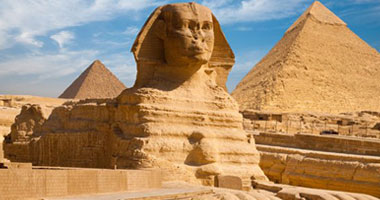
No visit to Egypt feels complete without standing before the Pyramids of Giza. Built as tombs for the pharaohs Khufu, Khafre, and Menkaure around 2580–2510 BCE, these structures remain the most recognizable symbols of ancient Egyptian civilization and the only surviving wonder of the ancient world. The Great Pyramid of Khufu originally stood 146.6 meters tall and was the tallest man-made structure on Earth for over 3,800 years. Its precise alignment to the cardinal points and possible astronomical significance continue to fascinate researchers and visitors alike.
The Great Sphinx, carved from a single limestone outcrop, stretches 73 meters long and 20 meters high. Its weathered face, believed to represent Khafre, gazes eternally toward the rising sun. Theories about its original appearance, possible water erosion patterns, and role as a guardian figure add layers of mystery that enrich any visit.
In 2026 the Giza Plateau feels well-managed yet still awe-inspiring. Visitor facilities have improved, and the nearby Grand Egyptian Museum makes it easy to combine both experiences in one day. Early morning visits deliver cooler temperatures, softer light, and fewer people — perfect for photography and quiet reflection. The evening Sound & Light Show has been refined over the years and now offers a dramatic, narrated spectacle against the illuminated monuments.
Practical details for 2026 Approximate entry: EGP 700 (around USD 14) for the plateau; extra EGP 1,500 (around USD 30) to enter the Great Pyramid (Khufu), which involves steep, narrow passages and is not suitable for everyone. Khafre and Menkaure pyramids have limited or no interior access. Allow 2–4 hours on site. Camel and horse rides are available but require firm negotiation and are optional. Photography is unrestricted outside the pyramids themselves. The plateau can be combined with a visit to nearby Saqqara (Step Pyramid) and Memphis for a deeper understanding of Old Kingdom funerary architecture.
Who will love it most History enthusiasts, photographers, families (kids are usually fascinated), and anyone seeking that bucket-list “I stood at the Pyramids” moment. Those with mobility concerns should note that the terrain includes sand and uneven stone; golf-cart-style transport is sometimes available for an extra fee.
The Grand Egyptian Museum (GEM)
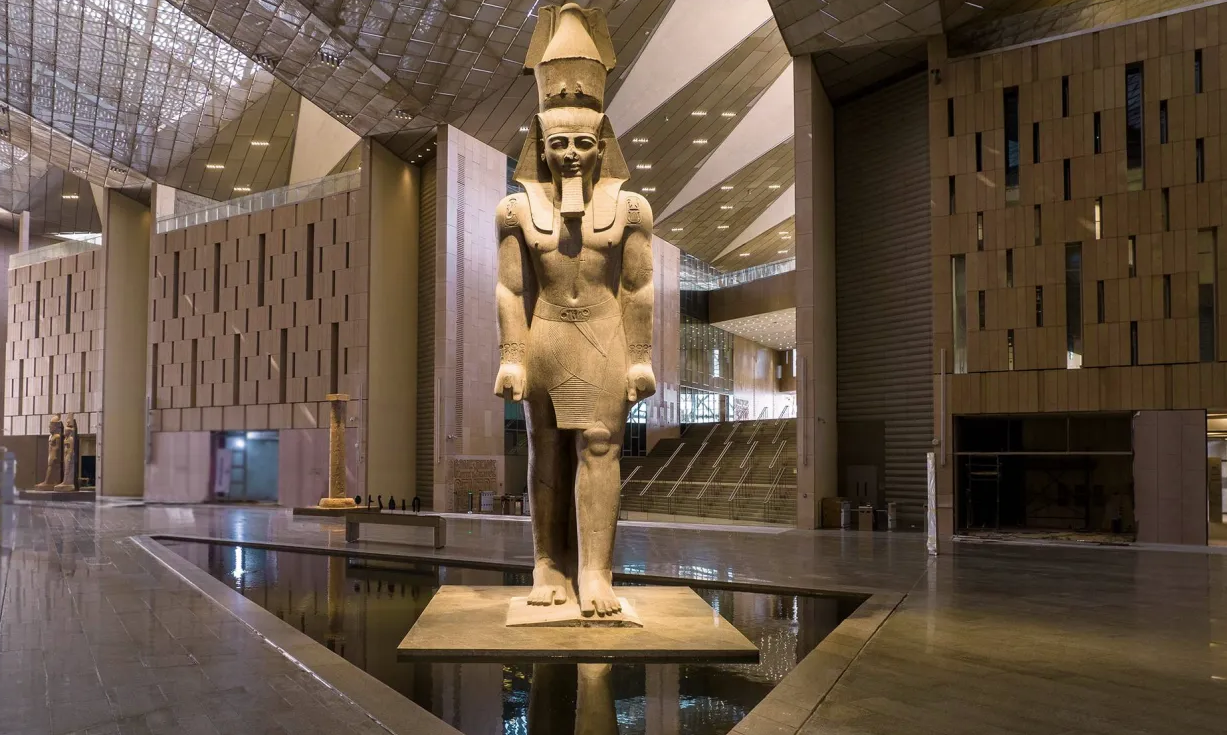
The Grand Egyptian Museum represents the single biggest development in Egyptian cultural tourism in decades. Located just two kilometers from the Giza Pyramids and architecturally aligned with them, this vast complex houses more than 100,000 artifacts spanning from the Predynastic period to the Roman era. Since its full public opening in late 2025, it has quickly become one of the world’s most important archaeological museums.
The undisputed highlight is the complete Tutankhamun collection — 5,398 objects displayed together for the first time in two dedicated, climate-controlled halls covering 7,500 square meters. Seeing the famous golden mask, chariots, jewelry, furniture, and the nested coffins in context transforms the story of the boy king from legend into tangible reality. Other must-see areas include the Grand Atrium with its colossal Ramesses II statue, the Grand Staircase lined with thematic artifacts, the Khufu Solar Boat exhibits, and interactive galleries that explain daily life, religion, and craftsmanship in ancient Egypt. A spacious Children’s Museum uses augmented reality and hands-on activities to engage younger visitors.
In 2026 the GEM operates at full capacity with excellent visitor flow, clear signage, and multiple dining options. Its modern design — translucent alabaster façades, dramatic lighting, and views toward the Pyramids — creates a memorable contrast between ancient treasures and contemporary architecture. Allow at least three to five hours; many people return for a second visit to absorb everything.
Practical details for 2026 Approximate entry around EGP 1,200 or higher depending on packages and guided options. The museum is fully accessible with ramps, elevators, and clear pathways. Photography is permitted in most areas (no flash near sensitive objects). Audio guides and guided tours in multiple languages are available. Because it sits so close to the Pyramids, many travelers visit both on the same day, starting early at the plateau and moving to the air-conditioned GEM in the afternoon.
Who will love it most Anyone interested in ancient history, families with children, travelers who want context before or after visiting temples and tombs, and those who appreciate world-class museum design. The GEM is especially rewarding for repeat visitors who remember the old Egyptian Museum in Tahrir Square and can now appreciate how dramatically the presentation has improved.
Karnak Temple Complex

Karnak is not a single temple but a vast religious complex built and expanded over more than two thousand years. Dedicated primarily to the god Amun-Ra, it was the most important religious center in ancient Egypt during the New Kingdom. Walking through Karnak feels like stepping into a stone forest of towering columns, pylons, and obelisks.
The Great Hypostyle Hall remains one of the most breathtaking spaces in the world — 134 massive columns arranged in 16 rows, many still bearing traces of original paint and carved hieroglyphs recounting royal achievements and religious rituals. The scale is overwhelming; standing beneath the stone ceiling (now partially open to the sky) gives a visceral sense of the power and wealth of the ancient priesthood and pharaohs. Other highlights include the sacred lake used for ritual purification, multiple obelisks (one of Thutmose I still stands tall), colossal statues of Ramesses II, and smaller temples dedicated to other deities within the complex.
In 2026 Karnak continues to benefit from ongoing conservation work that keeps key areas open while protecting fragile reliefs. The Sound & Light Show has been updated with better technology and storytelling. Early morning visits offer cooler temperatures and the chance to photograph the hypostyle hall with beautiful side-lighting before tour groups arrive in force.
Practical details for 2026 Approximate entry EGP 600 (around USD 12). Allow 2–3 hours minimum; the site is large and best explored at a relaxed pace. Comfortable shoes are essential. Guided tours bring the hieroglyphs and historical stories to life. The temple pairs beautifully with Luxor Temple, connected historically by the Avenue of Sphinxes (parts of which have been excavated and restored).
Who will love it most History and architecture enthusiasts, photographers, and anyone who enjoys immersive, large-scale ancient sites. Those who prefer smaller, more intimate temples may find Karnak overwhelming at first but usually leave deeply impressed.
Valley of the Kings

On the West Bank of Luxor lies the royal necropolis known as the Valley of the Kings. Here, New Kingdom pharaohs (roughly 1550–1070 BCE) were buried in elaborate rock-cut tombs designed to protect their bodies and possessions for eternity. More than sixty tombs have been discovered, though not all are open to visitors at any given time.
The artistic quality inside many tombs is extraordinary. Walls and ceilings are covered with vibrant paintings and intricate hieroglyphic texts from the Book of the Dead and other funerary compositions, showing the deceased pharaoh’s journey through the underworld, encounters with gods, and hopes for eternal life. The tomb of Seti I is particularly famous for its depth, decoration, and excellent preservation. Tutankhamun’s smaller tomb (KV62) remains a pilgrimage site even though most of its treasures now reside in the Grand Egyptian Museum.
In 2026 the valley operates with careful conservation in mind. Only a rotating selection of tombs is open to limit damage from humidity and visitor traffic. A general ticket includes entry to three tombs; Tutankhamun’s requires a separate ticket. Photography without flash is usually allowed, but rules can change — always check on arrival.
Practical details for 2026 Approximate entry EGP 750 (around USD 15) for the valley ticket covering three tombs. Allow 2–3 hours. The site is exposed and can be hot even in cooler months; bring water and sun protection. Electric trams now transport visitors from the ticket office to the valley entrance, reducing walking. Combining the Valley of the Kings with the nearby Valley of the Queens, Deir el-Bahri (Hatshepsut’s temple), and the Ramesseum creates a rich full-day West Bank itinerary.
Who will love it most History buffs, art lovers, and anyone fascinated by ancient beliefs about death and the afterlife. The experience is especially moving when you stand inside a tomb and realize these paintings were created more than 3,000 years ago to guide a king into eternity.
Luxor Temple
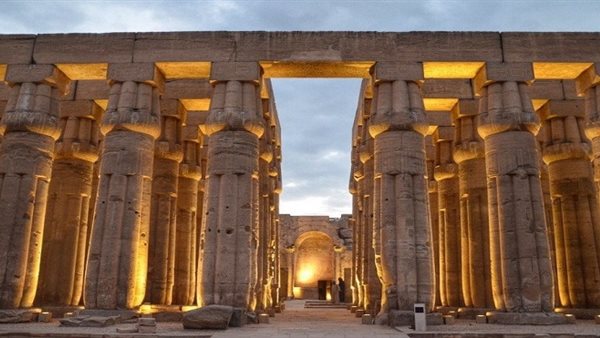
Located in the heart of modern Luxor, this elegant temple feels more intimate and human-scale than the vast Karnak complex. Built primarily by Amenhotep III around 1400 BCE and later expanded by Ramesses II, Luxor Temple served as a place of worship and a venue for the annual Opet Festival, when the cult statues of Amun, Mut, and Khonsu traveled from Karnak in a great procession.
Highlights include the massive entrance pylons decorated with scenes of Ramesses II’s military campaigns, a courtyard lined with columns and statues, and the graceful colonnade that leads into the inner sanctuaries. At night the temple is dramatically illuminated, creating a completely different atmosphere that emphasizes the play of light and shadow on carved stone.
In 2026 Luxor Temple remains one of the easiest major sites to visit because of its central location. Many travelers combine it with a sunset or evening visit after exploring Karnak earlier in the day. The temple also hosts occasional cultural events and light installations that add contemporary interest.
Practical details for 2026 Approximate entry EGP 500 (around USD 10). Allow 1–1.5 hours. Evening visits are highly recommended for photography and atmosphere. The temple is relatively compact and mostly flat, making it more accessible than many other ancient sites.
Who will love it most Travelers who enjoy atmospheric evening visits, photographers, and those who appreciate elegant architecture over sheer scale. It is also an excellent choice for families or anyone with limited time in Luxor.
Abu Simbel Temples

Carved directly into a sandstone cliff on the banks of Lake Nasser, the temples of Abu Simbel are among Egypt’s most spectacular and photogenic monuments. Commissioned by Ramesses II in the 13th century BCE, the larger temple features four colossal seated statues of the pharaoh (each about 20 meters tall) that still convey his power and ambition more than 3,000 years later. The smaller temple next door was dedicated to his favorite wife, Queen Nefertari, and the goddess Hathor.
Inside the main temple, reliefs depict the famous Battle of Kadesh and other royal achievements. Twice a year — on 22 February and 22 October — the rising sun penetrates the temple axis and illuminates the inner sanctuary statues in a precise solar alignment that was almost certainly intentional. This phenomenon draws crowds who arrive before dawn to witness the “miracle.”
In 2026 Abu Simbel remains a highlight of any Upper Egypt itinerary. Most visitors join organized early-morning convoys from Aswan (roughly 3–4 hours each way by road). The site itself is smaller than many expect but delivers enormous visual impact. Conservation efforts keep the temples in excellent condition.
Practical details for 2026 Approximate entry EGP 750–820 (around USD 15–17). Allow 1.5–2 hours on site. Sound & Light shows are offered in the evenings. For those short on time, domestic flights from Aswan or even Luxor are available. The temples are best photographed in the morning light; the colossal statues change dramatically in appearance as the sun moves.
Who will love it most Photographers, history enthusiasts, and anyone who appreciates monumental rock-cut architecture. The solar alignment days are especially magical for those who can time their visit accordingly.
Philae Temple

Philae Temple, dedicated to the goddess Isis, occupies a dramatic island setting on Lake Nasser. Originally located on Philae Island, the entire complex was dismantled block by block and relocated to nearby Agilkia Island in the 1960s and 1970s as part of a massive UNESCO-led campaign to save Nubian monuments from the rising waters of the Aswan High Dam. The rescue operation is considered one of the great success stories of international cultural heritage preservation.
Today the temple complex feels peaceful and elegant, with graceful colonnades, detailed reliefs showing Isis, Osiris, and other deities, and beautiful views across the water. The setting — surrounded by the blue lake and desert hills — adds a serene quality that contrasts with the busier sites farther north.
In 2026 the temple continues to benefit from careful maintenance. Boat rides to the island remain part of the charm, and the evening Sound & Light Show is particularly atmospheric against the illuminated columns and the dark water.
Practical details for 2026 Approximate entry EGP 550 (around USD 11). Allow 1–1.5 hours including the boat transfer. The site is relatively compact and mostly accessible. Many travelers visit Philae on the same day as the Aswan High Dam and the Unfinished Obelisk, creating a convenient half-day itinerary.
Who will love it most Travelers who appreciate beautiful settings, those interested in modern conservation stories, and anyone seeking a quieter, more reflective temple experience.
A Nile River Cruise or Felucca Experience
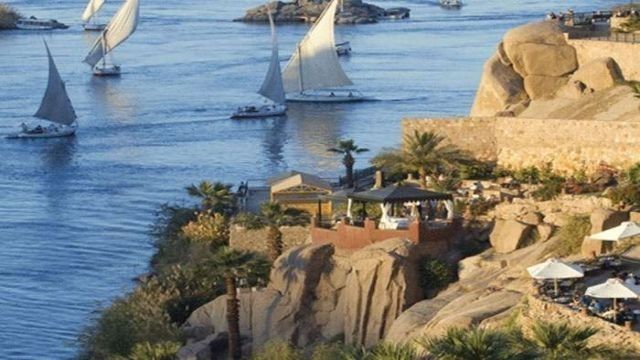
Traveling the Nile is more than transportation — it is an essential Egyptian experience. A multi-day cruise from Luxor to Aswan (or the reverse) allows you to visit temples in a relaxed rhythm while watching rural life unfold along the banks. Traditional felucca sailboats offer a slower, more intimate alternative for shorter segments, especially around Aswan.
Typical cruise itineraries include stops at Edfu (Temple of Horus), Kom Ombo (unique double temple dedicated to Sobek and Haroeris), and the sites around Aswan. On board you enjoy meals, lectures, and evening entertainment while the scenery changes from fertile fields to desert cliffs. Sunset felucca sails in Aswan, with the desert and Aga Khan Mausoleum in view, create lasting memories.
In 2026 Nile cruises range from comfortable mid-range boats to ultra-luxury vessels with private pools and fine dining. Shorter dahabiya (traditional sailing yachts) cater to smaller groups seeking a more exclusive experience. Felucca trips can be arranged independently or through hotels and are ideal for sunset or half-day outings.
Practical details for 2026 Cruise prices vary widely depending on boat category and season. Book reputable operators for better service and guides. Felucca rides are inexpensive but require clear agreements on duration and price. Bring a hat, sunscreen, and a light jacket for evenings on deck. Early morning and late afternoon are the best times for photography and birdwatching along the river.
Who will love it most Anyone who enjoys slow travel, scenery, and combining multiple temples without daily packing and unpacking. Couples and families often find the relaxed pace of a cruise especially rewarding.
Khan El-Khalili Bazaar and Historic Islamic Cairo
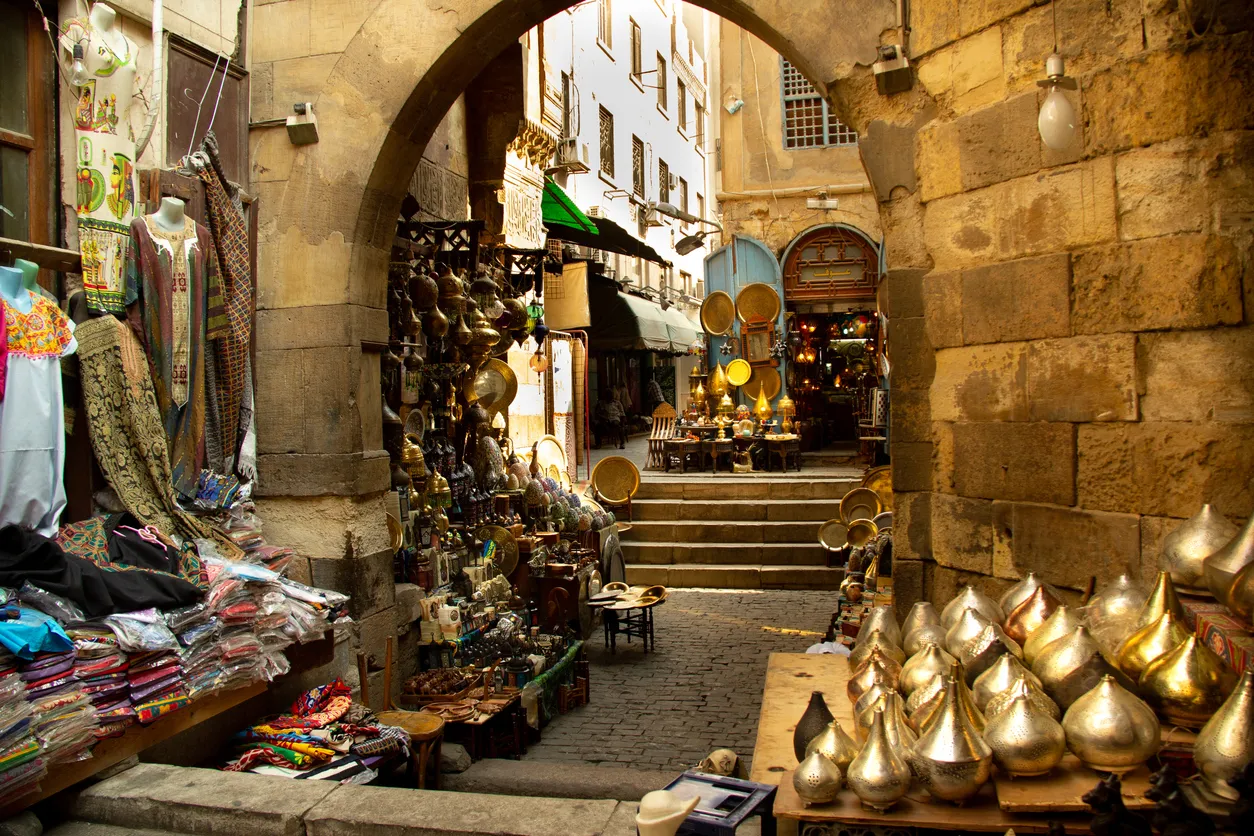
Cairo’s historic heart offers a completely different energy from the ancient monuments. Khan El-Khalili, founded in the 14th century, is one of the oldest and largest souks in the Middle East. Its labyrinthine alleys overflow with spices, gold jewelry, lanterns, textiles, perfumes, and souvenirs. The surrounding district contains magnificent Islamic architecture, including the Al-Azhar Mosque and University (founded 970 CE) and the historic Al-Muizz Street, often described as an open-air museum of medieval Cairo.
Wandering the bazaar engages all the senses — the scent of cumin and cardamom, the call to prayer echoing from minarets, the flash of gold in shop windows, and the lively banter of merchants. Nearby, the Citadel of Saladin offers panoramic views over the city and houses the stunning Muhammad Ali Mosque with its Ottoman-style domes and alabaster interior.
In 2026 the area remains lively and atmospheric. Many shops and cafés have upgraded facilities while preserving traditional character. Guided walking tours help visitors navigate safely and learn the stories behind the buildings and trades.
Practical details for 2026 Entry to the bazaar itself is free; individual mosques and the Citadel have modest fees. Allow at least half a day to explore comfortably. Bargaining is expected and should stay friendly. Modest dress is appreciated. Evening visits bring a different, more magical atmosphere with lights and street food.
Who will love it most Shoppers, food lovers, photographers, and anyone who enjoys immersive cultural experiences and people-watching. It provides an excellent contrast to the ancient sites and works well as a half-day or evening activity in Cairo.
The Red Sea Coast — Sharm El Sheikh and Hurghada

After days of temples and tombs, the Red Sea offers a refreshing change of pace and a completely different kind of natural wonder. Egypt’s Red Sea coastline stretches more than 1,000 kilometers and features some of the world’s most spectacular coral reefs and marine life. Sharm El Sheikh, at the southern tip of the Sinai Peninsula, is known for upscale resorts, excellent diving, and proximity to Ras Mohammed National Park. Hurghada, farther north, offers a wider range of accommodations and is popular with families and divers on a budget.
Snorkeling and diving reveal clownfish, parrotfish, turtles, moray eels, and occasional reef sharks against a backdrop of colorful hard and soft corals. Desert excursions — quad biking, camel treks, and Bedouin dinners under the stars — provide another dimension. Many resorts offer all-inclusive packages that make relaxation effortless.
In 2026 the Red Sea continues to develop responsibly, with new marine protected areas and improved dive-center standards. Both destinations are easily reached by domestic flight from Cairo or by road from Luxor/Aswan in some cases.
Practical details for 2026 Entry to Ras Mohammed National Park is modest. Dive and snorkel trips are widely available; choose operators with good safety records and environmental policies. Best visibility and water temperatures generally occur from March to May and September to November. Even non-divers can enjoy glass-bottom boats, submarine tours, or simply beach time.
Who will love it most Families, couples seeking relaxation, water-sports enthusiasts, and anyone who needs downtime after an intense cultural itinerary. The Red Sea is the perfect finale to a classic Egypt trip.
Suggested Itineraries for 2026
Classic 7–8 Day Cultural Highlights Days 1–3: Cairo & Giza (Pyramids + GEM + Islamic Cairo/Khan El-Khalili) Days 4–7: Fly to Luxor → Nile cruise to Aswan (Karnak, Luxor Temple, Valley of the Kings, Edfu, Kom Ombo, Philae, Abu Simbel) Optional extension: Red Sea relaxation
10-Day Balanced Adventure Add a hot-air-balloon ride over Luxor at sunrise, a felucca sail in Aswan, and two or three nights on the Red Sea for snorkeling and beach time.
14-Day Comprehensive Journey Include Saqqara and Memphis near Cairo, more time exploring Luxor’s West Bank, a longer Nile cruise or dahabiya, and a deeper Red Sea diving program plus a desert safari.
These are flexible frameworks — many travelers customize based on interests, pace, and whether they prefer cruises or land-based travel.
Final Reflections
Egypt in 2026 rewards travelers who approach it with curiosity, respect, and a willingness to embrace both its ancient grandeur and its living culture. Standing before the Pyramids, walking through Karnak’s hypostyle hall, gazing at Tutankhamun’s treasures in the new museum, or floating above a coral reef — each experience connects you to something much larger than yourself: thousands of years of human creativity, belief, and resilience.
The country continues to evolve while fiercely protecting its heritage. By traveling thoughtfully, you contribute to that preservation and to the communities that make Egypt so welcoming. Whether this is your first visit or your fifth, Egypt has a way of surprising you, moving you, and calling you back.
Plan carefully, stay flexible, drink plenty of water, and allow time simply to absorb the atmosphere. The magic of Egypt is not only in the monuments — it is also in the golden desert light, the gentle rhythm of the Nile, the warmth of the people, and the quiet moments when history feels very close indeed.
Safe travels, and may your 2026 Egyptian adventure be everything you hope for and more.
 |  |  |
 |  |  |