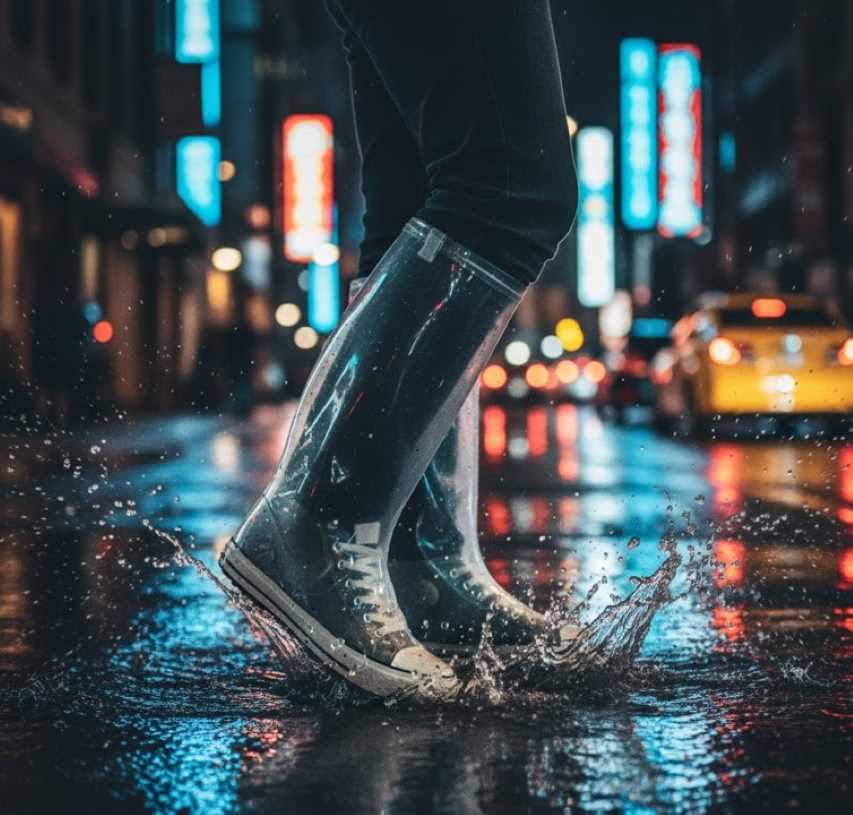
Waterproof Shoe Covers (also known as overshoes, galoshes, or rain shoe covers) are protective slip-on sleeves designed to completely envelop standard footwear, creating an impermeable barrier against water, mud, slush, snow, and road salts. Their primary function is to keep shoes and feet dry in inclement weather while preserving the cleanliness and condition of the underlying footwear.
They serve as a portable, temporary shield, bridging the gap between dedicated waterproof boots and everyday shoes, making them an essential accessory for commuters, travelers, outdoor workers, and anyone caught unexpectedly in poor weather.
Anatomy & Key Components
The Protective Shell
Material: The defining component. Common materials include:
PVC (Polyvinyl Chloride): Stiff, durable, and highly waterproof. Common in heavy-duty and industrial models. Less breathable.
TPU (Thermoplastic Polyurethane): More flexible and elastic than PVC, offering a better fit and good durability. Used in higher-end athletic covers.
Nylon/Polyester with PU Coating: Lightweight, packable, and relatively breathable. Used in foldable, everyday consumer models.
Natural Rubber: Offers excellent grip, flexibility, and 100% waterproofing. Common in classic, reusable overshoes.
Construction: Seams are often welded or heat-sealed to prevent water ingress, a superior method to stitched seams which require taping.
Closure & Fit Systems
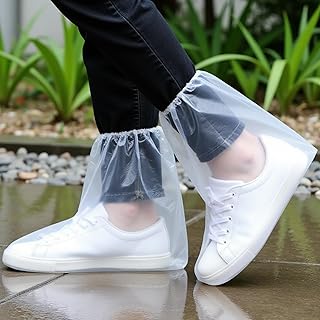
Elasticized Openings: Stretchy bands at the ankle and sometimes the toe ensure a snug fit and prevent debris entry.
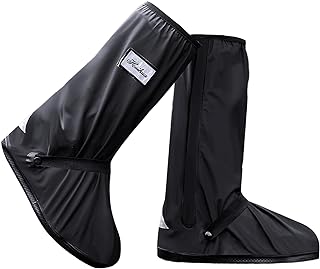
Zipper Closure: A full-length or partial water-resistant zipper (often with a storm flap) allows for easy on/off over bulky shoes. May be rust-proof.
Hook-and-Loop (Velcro) Strap: An adjustable strap over the instep or at the ankle provides a secure, customizable fit.
Drawcord/Cordlock: An adjustable cord at the top cinches the cover tight against the leg.
Functional Features
Reflective Elements: Strips or logos for visibility in low-light conditions, crucial for cyclists and pedestrians.
Abrasion-Resistant Zones: Reinforced patches on the toe and heel where wear is most common.
Traction Outsoles: Molded tread patterns (often from rubber or high-grip TPU) on the bottom to prevent slipping on wet surfaces. Some have ice-grip features.
Breathable Vents: Mesh panels (in more advanced designs) to allow some moisture vapor (sweat) to escape.
Types & Classifications
Type | Best For | Key Characteristics |
|---|---|---|
| Everyday/Packable | Urban commuters, travelers. | Ultra-lightweight (nylon/PU), fold into a pouch. Good for light rain. Moderate durability. |
| Cycling/Running | Athletes, cyclists. | Sleek, aerodynamic fit. Highly reflective. Tough sole for cleat/walking compatibility. Made of stretchy TPU or durable nylon. |
| Heavy-Duty/Industrial | Construction, utilities, hiking. | Made of thick PVC or rubber. High ankle or knee height. Rugged, puncture-resistant soles. Often with secure strap closures. |
| Formal/Style | Protecting dress shoes. | Designed to look discreet over leather shoes. Often clear or black, with minimal bulk. May have a zipper for easy removal. |
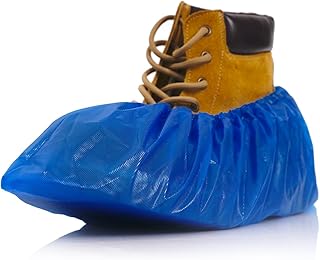
| Disposable | One-time use (e.g., medical, paint jobs, open houses). | Very thin polyethylene (plastic). Cheap, non-slip. Zero breathability. |
How to Select the Right Pair: A Buyer's Checklist
Primary Use: Define your main activity (cycling, walking to work, hiking).
Material & Durability: Match material to abuse level. PVC/rubber for heavy use; coated nylon for occasional rain.
Height: Choose based on puddle depth and leg protection needed (ankle, mid-calf, knee-high).
Closure System: Zippers for easy on/off; elastic/straps for simplicity and security.
Sole Traction: Essential for safety. Look for deep, multi-directional lugs.
Breathability: If you'll be active, seek materials or designs that vent sweat.
Size & Fit: CRITICAL. Must fit over your largest shoe. Consult manufacturer sizing charts (usually based on shoe size). Allow room for bulky winter boots if needed.
Packability: For travel, ensure they fold down compactly.
Step-by-Step Usage Guide
Preparation: Ensure your shoes are clean of large debris. Loosen all straps or zippers on the cover.
Donning: For zippered models, open the zipper fully. Stretch the toe of the cover over the toe of your shoe. Pull the cover up and around the heel. Zip up and secure any straps.
Securing: Tighten the ankle drawcord or strap to prevent water from pouring in from the top.
Activity: Proceed normally. The covers are designed for walking, not running (unless specified as athletic covers).
Removal & Care: Wipe off mud/water. Open closures and carefully peel off. Turn inside out if possible to air dry completely. Store away from direct heat and sunlight.
Advantages & Benefits
Shoe Preservation: Protects expensive leather, suede, or fabric shoes from water damage, salt stains, and abrasion.
Cost-Effective: Far cheaper than purchasing multiple pairs of specialized waterproof boots.
Lightweight & Portable: Takes up minimal space in a bag, providing "just-in-case" protection.
Versatile: One pair can protect many different types of shoes in your wardrobe.
Improves Safety: Enhanced traction on slippery surfaces and increased visibility.
Convenient: Quick to put on at the start of a commute and remove upon arrival at a dry destination.
Limitations & Drawbacks
Limited Breathability: Can cause feet to sweat, especially in non-breathable materials.
Wear & Tear: Even durable models are subject to abrasion and can develop leaks over time, especially at stress points.
Fit Challenges: May not fit perfectly over unusually wide, long, or bulky footwear.
Aesthetic Trade-off: Can look bulky or utilitarian, potentially clashing with formal attire.
Not Submersible: Designed for puddles and rain, not for wading through deep water (unless specifically rated as such).
Potential for Ripping: Thin or cheap models can tear on sharp edges or during forceful application/removal.
Maintenance & Care
Cleaning: Wipe down with a damp cloth. For deeper cleaning, use mild soap and water. Never machine wash or dry unless explicitly stated by the manufacturer.
Drying: Always air dry away from direct heat sources (radiators, hair dryers) which can melt or crack the material. Turn inside out if possible.
Storage: Store in a cool, dry place. For PVC/rubber, avoid folding sharply for long periods to prevent crease cracking. Keep away from oils and solvents.
Waterproofing Refresh: For coated nylon models, a spray-on DWR (Durable Water Repellent) treatment can restore water beading.
Waterproof Shoe Covers are a brilliantly pragmatic solution to a universal problem. They embody the principle of functional adaptability, allowing a single pair of favorite shoes to perform in a wide range of wet and messy conditions.
While not a perfect substitute for purpose-built waterproof footwear in extreme scenarios, their strengths in portability, cost-effectiveness, and shoe preservation make them an indispensable part of a practical wardrobe. For the urban commuter, the cycle-to-work advocate, the festival-goer, or the traveler navigating unpredictable climates, a reliable pair of shoe covers is a small investment that delivers significant peace of mind and dry-footed comfort.
 |  |  |
 |  |  |