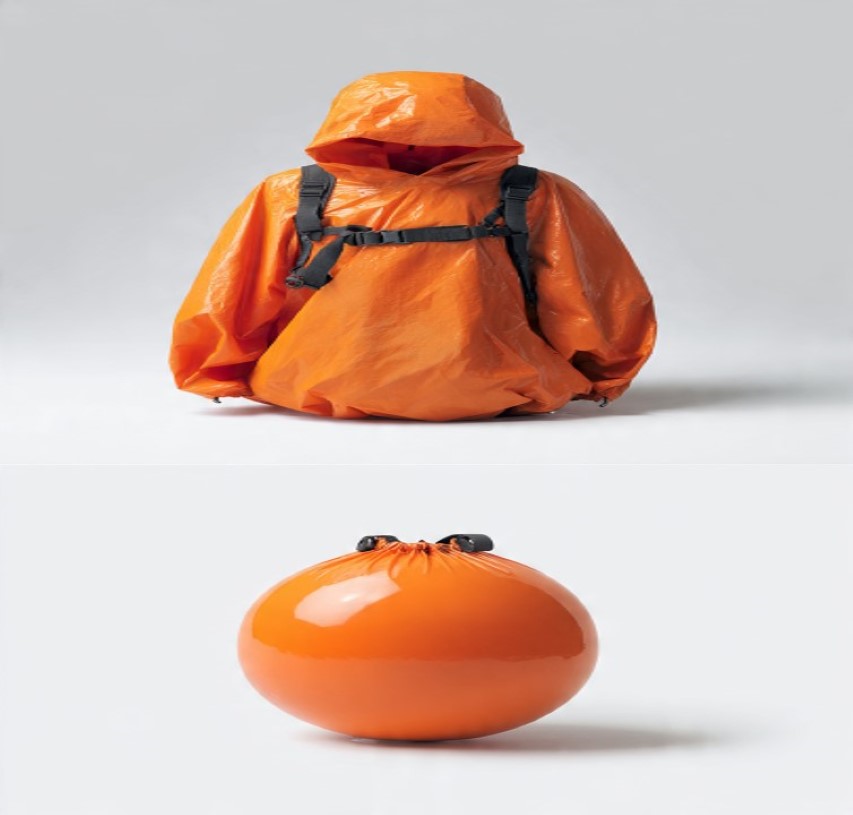
The term "Raincoat Ball" is not a standard industry name but is commonly used to describe a highly portable, compact, and often reusable raincoat that has been compressed and packaged into a small, spherical, or ball-like form. It is a marvel of modern packaging and material science, designed for ultimate convenience and emergency preparedness.
Core Concept and How It Works
The fundamental idea is to take a full-sized, functional raincoat and reduce its volume by over 90% through a process of folding and vacuum compression. This allows it to be carried effortlessly in a pocket, purse, backpack, or glove compartment.
Material: The raincoat is typically made from a lightweight, waterproof, and often breathable material like Polyurethane (PU)-coated nylon or polyester, or advanced plastics like TPU.
Compression: The raincoat is meticulously folded into a small, flat packet.
Packaging: This packet is then placed inside a durable, waterproof plastic pouch. The air is mechanically or vacuum-sealed out of the pouch, shrinking it down to its final, dense ball-like shape.
Activation: To use it, you simply tear open the sealed pouch (often at a pre-scored notch). Once air rushes in, the compression is released, and the raincoat can be unfolded to its full size, ready to wear.
Key Components and Features
The Raincoat:
Design: Usually a simple, unisex, poncho-style design with a hood. It's designed to be loose-fitting, allowing it to be worn over everyday clothing or even a small backpack.
Material Properties:
Waterproof: Has a sealed or coated surface that prevents water penetration.
Lightweight: Weighs only a few ounces (less than 100 grams).
Packability: The material must be flexible and thin enough to be compressed without being damaged.
The Packaging:
Durable Pouch: The outer pouch is made from a tough, puncture-resistant plastic to protect the compressed coat from the elements and wear-and-tear in a bag.
Air-Tight Seal: The key to the small size is a perfect seal that prevents air from re-entering the pouch until it is intentionally opened.
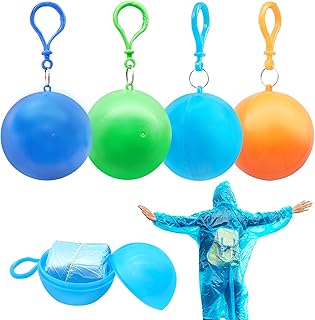
Compact Form Factor: The final product resembles a small ball or a hockey puck, typically 2-4 inches (5-10 cm) in diameter.
Types and Variations
Disposable vs. Reusable:
Disposable: Very cheap, made from thinner plastic (like PE). Intended for single-use in an unexpected downpour. Often sold in vending machines at tourist spots.
Reusable: Made from more durable, PU-coated nylon. Designed to be repacked into its pouch or a carrying sack after use, though it may not compress back to its original tiny size without a vacuum sealer.
Size and Coverage:
Standard Adult Poncho: Covers the torso and arms, down to the thighs or knees.
Long Poncho / Cape: Offers more coverage, sometimes down to the shins.
With Pack Cover: Some versions include an integrated cover for a backpack.
Advantages and Benefits
Ultimate Portability: Its minuscule size and light weight make it the most portable form of rain protection available. You are more likely to have it with you "just in case."
Emergency Preparedness: It is an essential item in any emergency kit, survival kit, or "go-bag" due to its small footprint and critical function of keeping you dry.
Affordability: Disposable versions are extremely inexpensive, making them accessible for everyone.
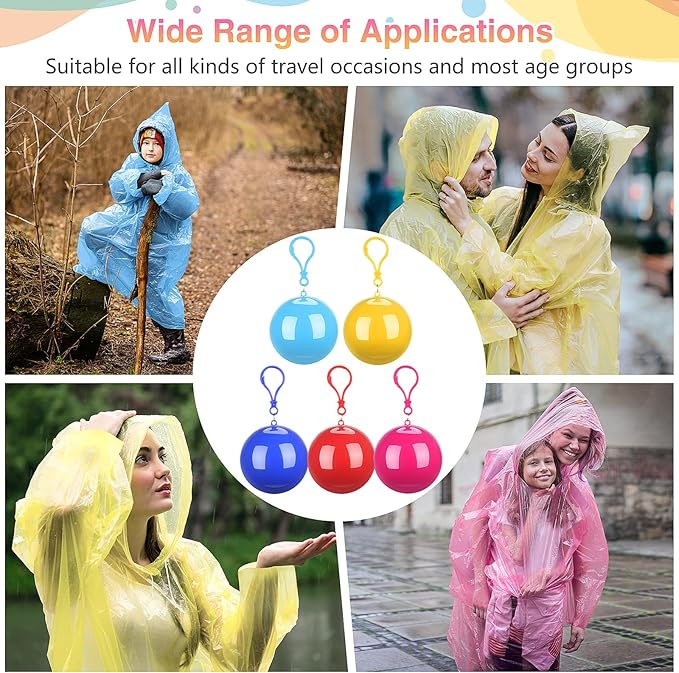
Spontaneity and Convenience: Perfect for outdoor events, festivals, sporting events, or travel where weather can be unpredictable. It takes up negligible space.
Hygiene: Individually sealed, ensuring it is clean and ready for its first use.
Limitations and Considerations
Durability: These are not designed for heavy-duty or long-term use. The material, especially in disposable versions, can tear easily on sharp objects or in strong wind.
Breathability: Most low-cost options are made from non-breathable plastic, which can lead to condensation and discomfort from sweat (moisture from the inside).
Limited Reusability: While some are marketed as reusable, the process of repacking them to their original size is difficult without specialized equipment.
Environmental Impact: Disposable plastic raincoat balls contribute to single-use plastic waste. More eco-conscious versions made from biodegradable materials are available but are less common.
Fit and Coverage: The poncho design can be billowy and may not perform well in windy conditions. It offers less coverage and protection than a full-length, dedicated rain jacket and pants.
Common Applications and Use Cases
Tourists and Travelers: Carried for sudden rainstorms while sightseeing.
Outdoor Enthusiasts: A lightweight backup in a hiker's daypack.
Event-Goers: Used at concerts, festivals, parades, or golf tournaments.
Commuters and City Dwellers: Kept in a briefcase or bike bag for the walk from the train station or an unexpected commute home in the rain.
Emergency Kits: A staple in car emergency kits, office disaster kits, and home preparedness supplies.
The Raincoat Ball is a brilliant solution to a simple, common problem: being caught unprepared in the rain. It embodies the principle of functional minimalism, sacrificing long-term durability and premium features for the unmatched advantages of ultra-compact size and instant availability. While it will never replace a high-performance rain jacket for serious outdoor activities, its value lies in its role as a convenient, affordable, and highly effective insurance policy against getting wet. It is the epitome of "hope for the best, prepare for the worst" in a pocket-sized package.
 |  |  |