The Common European Framework of Reference for Languages Intermediate level, commonly known as B1, represents a pivotal stage in language acquisition. At this level, learners transition from basic communication to becoming independent users of the language.
What You Can Achieve at the Intermediate Level
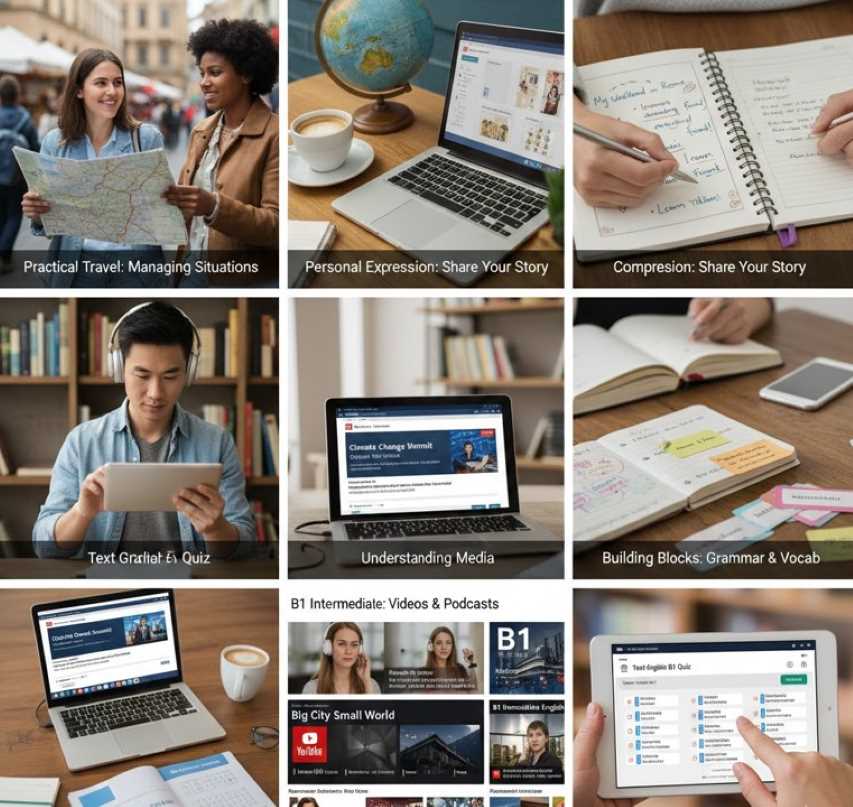
Practical Travel: You can manage most situations encountered while traveling in English-speaking regions.
Text Production: You can produce simple, connected text on topics that are familiar or of personal interest.
Personal Expression: You are able to describe experiences, events, dreams, hopes, and ambitions, providing brief reasons and explanations for opinions and plans.
Comprehension: You can understand the main points of clear, standard input regarding familiar matters regularly encountered in work, school, or leisure activities.
This level is frequently the target for students preparing for the Cambridge Preliminary English Test or those seeking to use English effectively in everyday life.
Free Learning Materials
Many websites offer extensive free resources specifically designed for Common European Framework of Reference for Languages (CEFR) B1 learners. these platforms include detailed grammar explanations, vocabulary builders, reading texts, and interactive exercises.
This platform provides a vast array of resources tailored for intermediate learners.
Skills Practice: Dedicated sections for listening, reading, writing, and speaking.
Grammar: A specialized B1–B2 area focusing on complex topics such as conditionals, modal verbs, and reported speech.
Vocabulary: Themed word lists and activities designed for the intermediate level.
Reading & Writing: Access to the "Magazine" and "Business Magazine" zones, along with structured writing prompts and examples in the "Writing Home" series.
This site focuses heavily on structured vocabulary lessons and interactive feedback.
Themed Units: Free access to topics including daily routines, education, money, transport, and news and media.
Lesson Structure: Each unit provides definitions, examples, and images.
Interactive Learning: Students receive personalized feedback through automated exercises.
They offer a complete online intermediate English course consisting of 20 structured lessons.
Core Topics: Lessons cover phrasal verbs, conjunctions, and describing life events.
Grammar Focus: Comprehensive guides on the past passive voice, future continuous tense, and past perfect tense.
Study Tools: Includes vocabulary flashcards and specific reading lessons such as "Film Awards" and "A Mega Celebrity."
Communication: Specific modules for soft skills like giving opinions and apologizing.
Ideal for those who prefer physical copies or custom materials.
Printable Resources: Offers free Portable Document Format (PDF) files for teaching or self-study.
Contemporary Themes: Lessons focus on climate change, global issues, and environmental awareness.
Customization: Features a "Level Adaptor" tool to adjust the difficulty of texts and a "Reading Generator" for custom lessons.
This platform emphasizes the practical application of the English language.
Language Points: Clear descriptions of grammar and vocabulary tied to the Common European Framework of Reference for Languages.
Assessment: Includes quizzes to test your knowledge after reviewing examples and language points.
Cambridge English: Write & Improve
A specialized tool designed to sharpen writing proficiency.
Writing Tasks: Users can select a specific B1-level task and upload their work.
Instant Feedback: The tool provides immediate corrections and suggestions to help learners refine their writing style.
Free Video and Audio Resources
Videos and audio recordings are essential tools for developing listening and speaking skills. These resources help you understand natural pacing and real-world context.
British Council: Multimedia Learning: The British Council provides structured series with transcripts and exercises.
Big City Small World: An audio drama following a group of young people in London.
Word on the Street: Street interviews and reports on British culture.
Audio Zone: General listening practice across various topics.
You’re Hired: Business English scenarios like job interviews.
Podcasts: Regular audio episodes on contemporary themes.
Lingo Best: Interactive Video Lessons
These videos are part of their comprehensive free online course.
Free B1 Intermediate Course: Integrated videos that support grammar and vocabulary lessons.
Top YouTube Channels and Playlists
YouTube offers a wealth of content for the Common European Framework of Reference for Languages (CEFR) B1 level.
B1–B2 Intermediate Level English Videos: Features listening tests, tips, and real-life stories.
Aspiration English: Covers grammar, vocabulary, and conversations.
The English Pod Community: Podcast-style episodes focused on listening and fluency.
Simple ESL: A specific video to help you check your intermediate skills.
Full courses like "B1 Level Complete English Course" for intermediate students.
Professional Educational Channels
These recommended channels provide consistent, high-quality educational content:
BBC Learning English: Famous for "6 Minute English" and news reviews.
EnglishClass101: Fast-paced lessons on vocabulary and culture.
Voice of America (VOA) Learning English: News reports read at a slower speed for learners.
Free Quizzes and Practice Tests
Quizzes are vital for reinforcing daily learning, while full-length practice tests help simulate official exam conditions. These resources allow you to track your progress and identify areas that need improvement.
Level Assessments and Quick Checks
These tools help you determine if you are currently at the Intermediate (B1) level or help you identify specific strengths and weaknesses.
British Council Online English Level Test: A free assessment that recommends specific B1 materials based on your results.
Education First Standard English Test (EF SET) Quick Check: A 15-minute assessment focusing on reading and listening skills.
Preply English Level Test: A 36-question comprehensive assessment that provides instant results.
Structured Course Quizzes
These are best used alongside a regular study routine to ensure you are retaining new information.
Lingo Best English Academy Quizzes: Each lesson in their free course includes two to three quizzes covering vocabulary, grammar, and reading comprehension.
American British Academy (ABA) English B1 Test: A multiple-choice quiz focusing on grammar (tenses and prepositions) and vocabulary distinctions, such as "make" versus "do."
Full-Length Practice and Mock Exams
Use these resources to simulate a real testing environment for the Common European Framework of Reference for Languages (CEFR).
Tracktest B1 Practice Test: A full-length mock exam featuring 20 grammar questions, 25 reading tasks, and 25 listening tasks. You can also download a Portable Document Format (PDF) version with answers.
Testizer B1 Proficiency Test: Online practice with questions modeled after official certification exams.
Skills for English Secure English Language Test (SELT) Practice: Offers short quizzes and full-length listening practice specifically for B1 level certification.
Grammar and Vocabulary Focused Tests
EnglishRadar CEFR Tests: Multi-level quizzes linked directly to the Common European Framework, featuring specific sections for
Official Exam Preparation
If you are aiming for a formal qualification, such as the Cambridge Preliminary English Test, you should utilize specific preparation materials:
Cambridge English Official Preparation: Access authentic practice tests to familiarize yourself with the exam format.
Test-English Grammar Exercises: Use their interactive charts to master the specific language points required for the exam.
To make the most of these resources, it is recommended to start with a level placement test, follow a structured course like Lingo Best, and supplement your learning with daily videos from the British Council.
 |  |  |
 |  |  |