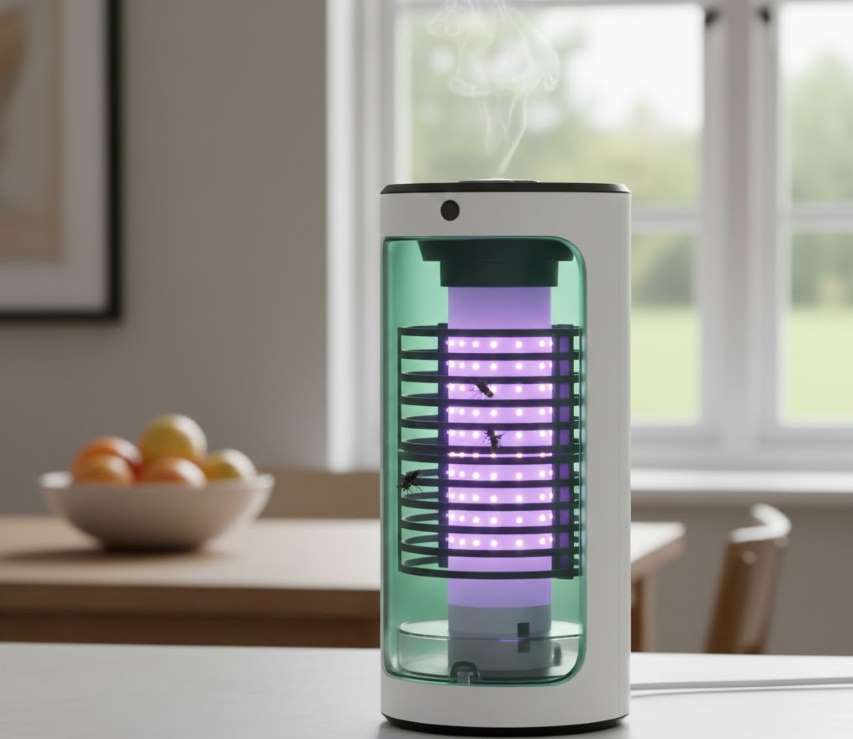
Modern Pest Control Without Chemicals
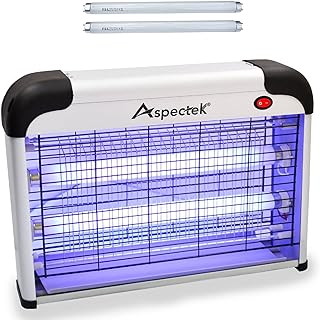
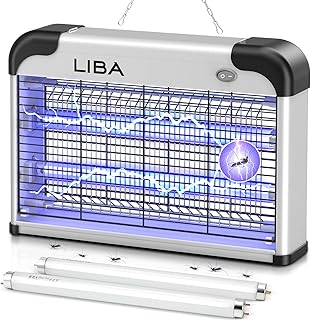
An Electric Fly Trap is an electronic insect control device that attracts and eliminates flying pests—primarily flies, gnats, mosquitoes, and moths—using light and/or scent lures, then kills them via an electrical shock grid or containment system. It provides a clean, odorless, and pesticide-free method of reducing flying insect populations in both indoor and outdoor settings, making it a popular choice for homes, restaurants, farms, and commercial spaces.
How It Works: The Attract-and-Eliminate Process
The Core Mechanism:
Attraction: The trap emits an attractive stimulus.
UV-A (Ultraviolet) Light: The primary attractant for most traps. Flying insects are phototactic and drawn to specific wavelengths (350-400 nm) of UV light.
Octenol or CO2 Lures (Advanced Models): Supplemental attractants that mimic human breath or sweat, highly effective for mosquitoes and biting flies.
Capture: Once lured close, insects meet their fate via one of two systems:
Electrocution (Zapper): Insects contact a high-voltage, low-amperage electric grid surrounding the light, causing instantaneous electrocution. They fall into a removable catch tray.
Suction Fan (Non-Zapper): A powerful, quiet fan creates a vacuum that sucks insects into a sealed containment drawer or bag, where they dehydrate and die.
Containment & Disposal: Dead insects collect in a removable tray or drawer for easy, hygienic disposal.
Key Components & Features
Component | Description & Function |
|---|---|
| UV-A Light Bulbs/Tubes | Specialty bulbs emitting ultraviolet light at insect-attracting wavelengths. LED UV panels are now common for efficiency. |
| Electrocution Grid | A charged metal grid (500-4000 volts) that delivers the fatal shock. Surrounded by a protective outer cage for safety. |
| Suction Fan & Chamber | In fan-based models, a high-RPM fan pulls insects into a non-escape collection bin. |
| Attractant Lure Port | A slot for supplemental pheromone or octenol cartridges to enhance trapping efficiency for specific insects. |
| Collection Tray/Drawer | A removable plastic tray that collects insect remains; often includes a non-stick coating for easy cleaning. |
| Protective Housing | Durable, often plastic casing that is weather-resistant for outdoor models. |
| Power Source | Plug-in (AC) for indoor/patio use; battery or solar-powered for completely cordless placement in gardens or yards. |
Placement & Operational Guidelines
For Maximum Effectiveness:
Height: Install 4-6 feet above ground level, as many flies travel at this height.
Location: Place between the insect breeding source (e.g., garbage, compost) and the area you want to protect (e.g., patio door, kitchen).
Distance: Keep at least 15-25 feet from human seating areas to draw insects away from you.
Light Competition: Use in dark or dimly lit areas. Turn off competing lights at night for best results.
Avoid Obstructions: Ensure a clear line of sight for the attractant light.
Safety Considerations:
Outdoors: Must be plugged into a GFCI (Ground Fault Circuit Interrupter) outlet to prevent shock hazard from moisture.
Indoors: Keep away from children, pets, and flammable materials. Do not use in areas where explosive fumes are present.
Clearing: Always unplug the unit before attempting to clean the grid or collection tray.
Primary Benefits & Advantages
Chemical-Free & Non-Toxic: No pesticides, sprays, or odors, making it safe for use around food, children, and pets.
Low Operating Cost: After purchase, only requires minimal electricity (often less than a light bulb) and occasional bulb/glue board replacement.
Continuous 24/7 Protection: Can be left running to constantly reduce the pest population.
Hygienic: Contained disposal system prevents contact with dead insects.
Environmentally Friendly: Targets only flying insects attracted to light, with minimal impact on non-target species compared to broad-spectrum insecticides.
Effective for a Variety of Pests: Catches house flies, fruit flies, gnats, moths, mosquitoes, and wasps.
Limitations & Important Considerations
Not Instant Population Control: Works as part of an Integrated Pest Management (IPM) system. It manages adults but does not address larvae breeding sites (standing water, garbage).
Indiscriminate: Can kill beneficial nocturnal insects like moths and beetles. Placement is key to minimizing this.
Audible "Zap": The sound of electrocution can be noticeable, which may be undesirable in quiet indoor spaces.
Insect Scatter (Zappers): Small insect fragments can be propelled a short distance from the grid.
Limited Range: Attraction radius is typically ½ to 1 acre for powerful models. Multiple units may be needed for large properties.
Maintenance Required: Regular cleaning (weekly during peak season) is essential for sustained performance.
Maintenance, Cleaning & Care
Frequency: Clean collection tray/drawer at least once a week during heavy use.
Cleaning Process:
Unplug the unit.
Remove the collection tray and empty contents into trash.
For zappers, use a small brush (e.g., paintbrush) to gently clear dead insects from the electrified grid.
Wipe the tray and unit exterior with a damp cloth. A mild disinfectant can be used.
Bulb Replacement: UV bulbs lose attractiveness over time. Replace annually or per manufacturer instructions (typically every 6,000 hours).
Grid Care: Never use water or metal objects to clean the live grid. Ensure it is completely dry before plugging back in.
Buyer's Guide: How to Choose an Effective Trap
Determine Primary Use: Indoor (prioritize safety, quiet operation) vs. Outdoor (prioritize power, weather resistance, coverage area).
Select the Mechanism: Decide between Zapper (powerful, audible) and Fan/Glue Board (quiet, hygienic).
Check Coverage Area: Match the trap's listed square footage to your intended space.
Evaluate Safety Features: Look for a protective outer cage, GFCI compliance for outdoor models, and tip-over shutoff switches.
Consider Maintenance Ease: Removable trays, easy-clean grids, and accessible bulb compartments are major advantages.
Power Source: For permanent placement, plug-in is best. For gardens or remote areas, consider solar-powered models.
Quality of UV Source: LED UV panels are more durable and energy-efficient than traditional fluorescent tubes.
Budget: Prices range from $20 for small indoor units to $200+ for large commercial-grade outdoor traps.
A Strategic Tool for a Pest-Free Environment
An Electric Fly Trap is not a magic bullet, but rather a highly effective tactical component in the fight against flying pests. When used correctly—with proper placement, regular maintenance, and in conjunction with good sanitation practices—it can dramatically reduce the presence of nuisance and disease-carrying insects. Its greatest strength lies in offering a clean, hands-off, and environmentally conscious alternative to chemical methods. For homeowners seeking relief on the patio, restaurant managers ensuring compliance, or farmers protecting livestock, investing in a well-chosen electric fly trap is an investment in comfort, hygiene, and peace of mind. Remember, the most effective trap is the one that is correctly placed, diligently maintained, and matched to the specific pest problem at hand.
 |  |  |
 |  |  |