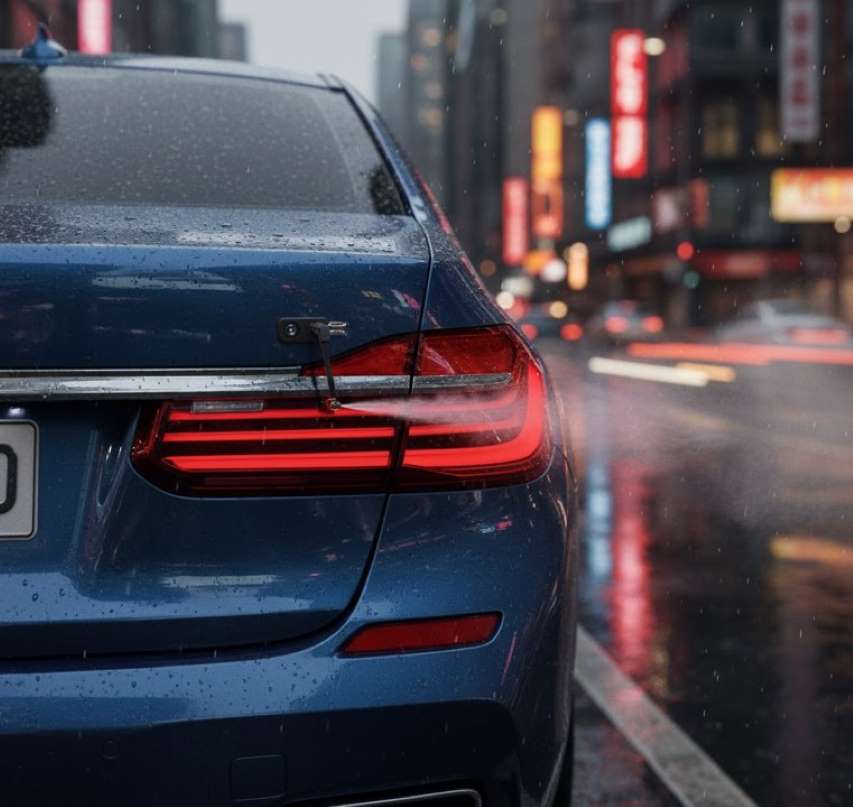
The BMW Rear Camera Auto-Cleaning System is an integrated, automated maintenance feature designed to ensure uninterrupted clarity and optimal functionality of the vehicle's rearview camera. It addresses the critical issue of lens obstruction caused by road spray, mud, snow, ice, dust, and other debris, which can severely compromise visibility and the effectiveness of driver-assistance systems (like Parking Assistant and Surround View) that rely on the camera feed.
This system represents a sophisticated application of preventive automotive hygiene, moving beyond manual wiping to an automated, on-demand solution that enhances safety, convenience, and the longevity of the camera system itself.
System Integration & Location
The system is not a standalone module but is fully integrated into the vehicle's rear-end design and electronic architecture.
Primary Component Location: Housed within or directly adjacent to the rear bumper trim, surrounding the rearview camera lens.
Electronic Integration: Connected to the vehicle's central electronics (e.g., Body Domain Controller - BDC or a dedicated control unit) and is often linked to the reverse gear signal and rain/light sensor data for contextual operation.
Fluid Integration: Tied into the vehicle's windshield washer fluid reservoir, using the same cleaning fluid.
Key Components & Their Function
| Component | Description & Material | Primary Function |
|---|---|---|
| Camera Lens & Housing | High-resolution camera with a protective, often hydrophobic-coated polycarbonate or glass lens. | Captures the video feed. The housing is sealed to protect internal electronics. |
| Nozzle/Jet Sprayer | A small, precision-engineered nozzle, typically made of plastic or stainless steel, positioned just above or to the side of the camera lens. | Directs a focused, high-pressure jet of washer fluid onto the camera lens surface. |
| Micro-Fluid Pump & Solenoid Valve | A small electric pump and valve assembly, often located near the rear axle or within the bumper cavity. | Creates and controls the pressurized flow of washer fluid from the main reservoir to the rear nozzle. |
| Fluid Delivery Line | A small-diameter, insulated hose or pipe. | Channels the washer fluid from the reservoir/pump to the rear nozzle. |
| Control Unit & Sensors | Integrated software within a vehicle control unit. Inputs may come from the gear selector (Reverse), the camera image processor, or a dedicated dirt sensor. | Analyzes conditions and triggers the cleaning cycle based on pre-programmed logic. |
How It Works: Operating Logic & Sequence
The system operates based on a combination of event-triggered and condition-aware logic.
Primary Activation Triggers:
Manual Trigger (Driver-Initiated): The driver activates the front windshield washer (by pulling the stalk). In many BMW models, this action automatically triggers a simultaneous, brief cleaning cycle for the rear camera.
Automatic Trigger (System-Initiated):
Gear-Based: Engaging Reverse (R) gear may trigger a short cleaning cycle if the system's logic determines it's necessary (e.g., based on time since last clean or input from other sensors).
Image Analysis: Advanced systems use the camera's own image processor to detect a sudden drop in contrast or clarity, automatically initiating a clean.
Sensor-Based: Data from the rain sensor can prompt a cleaning cycle when wet conditions are detected and reverse gear is engaged.
The Cleaning Cycle Sequence:
Command: The control unit receives a valid trigger signal.
Activation: The unit energizes the micro-pump and opens the solenoid valve for a very short duration (typically 0.5 to 1.5 seconds).
Delivery & Spray: Pressurized washer fluid travels through the insulated line and is expelled from the nozzle in a precise, fan-shaped or jet pattern, completely covering the camera lens.
Physical Cleaning: The force of the fluid dislodges dirt and debris. The chemical agents in the washer fluid (surfactants, alcohol) help dissolve grime, salts, and light ice.
Drainage & Drying: The fluid drains away by gravity. Any residual fluid is quickly spread and evaporated by airflow while driving or assisted by the hydrophobic lens coating, restoring a clear view almost instantly.
Technical Specifications & Fluid Requirements
Fluid Pressure: Operates at a lower pressure than windshield washer jets but sufficient for the smaller lens area.
Fluid Consumption: Minimal. A single cycle uses approximately 5-15 ml of fluid.
Fluid Type: Must use BMW-recommended windshield washer fluid or a high-quality, winter-rated alternative. Using pure water or incorrect fluids can lead to nozzle clogging, freezing in the lines, or damage to lens coatings.
Power Draw: Very low electrical load from the small pump and valve.
Cycle Duration: Extremely brief to conserve fluid and prevent obscuring the view for an extended period.
Benefits & Advantages
Enhanced Safety: Ensures a clear rear view is always available when reversing, critical for detecting low-lying obstacles, children, or curbs.
Optimal ADAS Performance: Maintains the functionality of semi-autonomous parking systems and surround-view cameras that depend on an unobstructed rear camera feed.
Driver Convenience: Eliminates the need to stop, exit the vehicle, and manually wipe the camera lens, which is especially valuable in poor weather or on dirty roads.
Lens Protection: Regular cleaning with proper fluid prevents corrosive substances (road salt, acidic deposits) from etching or permanently damaging the lens coating.
Seamless Operation: Works automatically as part of the normal driving routine, often without the driver even noticing.
Limitations & Practical Considerations
Not a Defroster: While fluid with antifreeze properties can melt light frost, the system is not a substitute for a heated camera lens in severe freezing conditions. Ice buildup may require manual removal.
Fluid Dependency: The system is ineffective if the washer fluid reservoir is empty or frozen.
Nozzle Clogging Risk: The tiny nozzle can become clogged with sediment from contaminated washer fluid or wax/sealant overspray during detailing. Using filtered, high-quality fluid is essential.
Persistent Contaminants: Very viscous mud or thick, slushy snow may require multiple cycles or manual intervention to clear completely.
System Diagnostics: A malfunction (clogged nozzle, failed pump) will typically generate a fault code in the vehicle's diagnostics system, which can be read during service.
Maintenance & Troubleshooting
Issue | Possible Cause | Solution |
|---|---|---|
| System Inoperative | Empty washer fluid reservoir, blown fuse, faulty pump/valve. | Check fluid level and fuses. Professional diagnosis required for electrical components. |
| Weak or No Spray | Clogged nozzle or filter, kinked fluid line, low pump output. | Attempt to clean nozzle with a pin/needle (carefully). May require line or nozzle replacement. |
| Fluid Leakage | Cracked fluid line, loose connection, or damaged nozzle. | Inspect lines and connections in the rear bumper area. Repair or replace as needed. |
| Ineffective Cleaning in Cold | Washer fluid frozen or not rated for low temperatures. | Drain and refill with a winter-grade washer fluid concentrate appropriate for your climate. |
Evolution & Model Availability
This system has evolved and is typically found on:
Standard or Optional on: Mid-to-high-tier models (5 Series, 6 Series, 7 Series, X5, X6, X7) and higher trim levels of other series.
Part of Packages: Often included in Premium, Convenience, or Parking Assistance packages.
Generational Improvements: Newer BMW models (post-2018) feature more integrated designs, potentially with heated lens elements and smarter image-based activation logic.
BMW's Rear Camera Auto-Cleaning System is a paradigm of thoughtful engineering that addresses a real-world problem with an elegant, automated solution. It transcends being a mere convenience feature to become a genuine active safety and systems-preservation technology.
By ensuring a consistently clear rearward view, it directly supports the driver's situational awareness and the reliable operation of increasingly complex driver-assistance systems. It exemplifies the BMW philosophy of integrating advanced technology to enhance the driving experience, not just in performance, but in everyday practicality and safety, ensuring that crucial visibility is maintained no matter what the road conditions present.
 |  |  |
 |  |  |