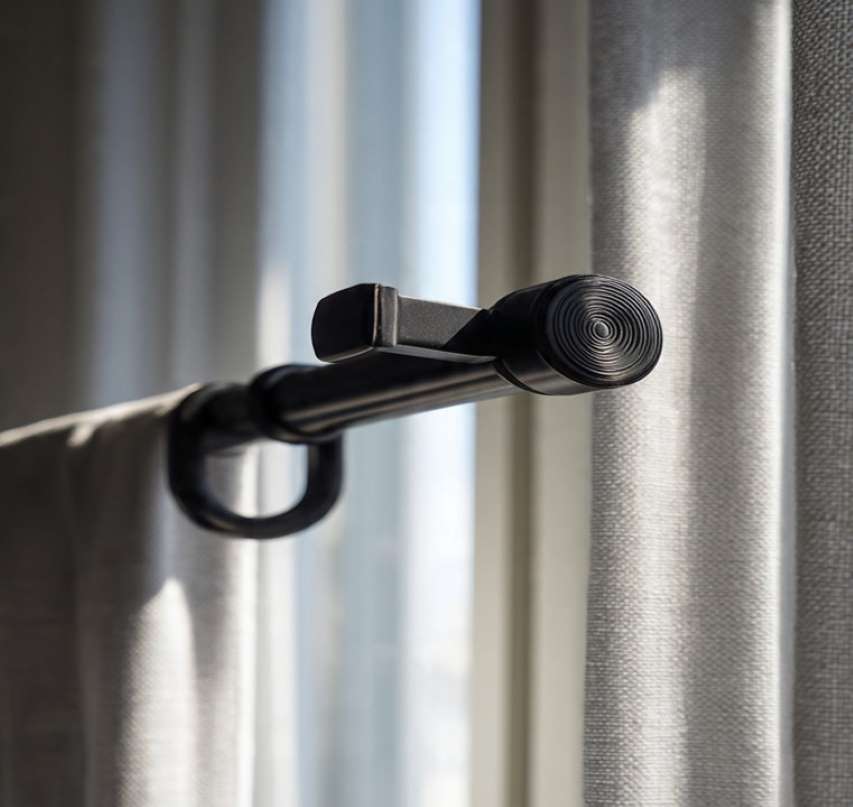
A Tension Curtain Rod, also known as a tension rod or spring-loaded rod, is a type of curtain rod that uses internal spring tension to stay in place within a window frame or opening without the need for screws, drills, or permanent hardware. It is a simple, versatile, and renter-friendly solution for hanging window treatments.
Core Principle and Mechanism
The fundamental principle of a tension rod is straightforward: compression and friction.
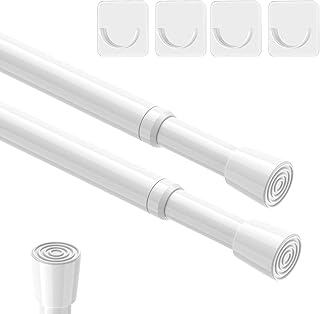
Spring-Loaded Tube: The rod consists of two tubes, one slightly smaller in diameter, allowing it to slide inside the other. An internal spring pushes the two tubes apart.
Adjustable Length: The rod can be twisted or pulled to extend or shorten its total length.
Application of Force: To install it, you compress the rod to a length slightly shorter than the width of the window opening. When you place it inside the opening and release it, the spring forces the tubes to expand outward, pressing the ends firmly against the walls or window frame.
Friction-Based Hold: The constant outward pressure creates significant friction at the endpoints, which is what holds the rod securely in place. The end caps, often made of rubber or a soft plastic, enhance this grip and prevent damage to the walls.
Key Components and Materials
Inner and Outer Tubes: The main body of the rod.
Materials:
Metal (Stainless Steel, Aluminum, Brass): The most common and durable. Offers the strongest tension and can support more weight. Often finished with chrome, nickel, or brushed metal coatings.
Plastic (PVC, Acrylic): Lightweight and affordable, but less durable and has a lower weight capacity. Ideal for very lightweight curtains or decorative purposes.
Internal Spring: A high-tensile coil spring housed inside the tubes. The quality and strength of this spring directly determine the rod's holding power.
End Caps: The tips of the rod.
Function: To protect walls from scratches and increase friction.
Material: Typically rubber, silicone, or soft plastic. A grippy, non-slip surface is crucial for stability.
Finials (on some models): While most basic tension rods have simple end caps, some decorative models feature non-functional or screw-on finials to mimic the look of a traditional mounted rod.
Types and Variations
Tension rods come in various styles to suit different needs:
Basic Single Rod: A single telescoping rod, the most common type for hanging a single curtain panel.
Double Rod: Features two parallel rods on a single bracket system that also uses tension. This allows you to hang two layers of window treatments, such as sheers and blackout curtains, within the same window frame.
Adjustable Café Rod: While often mounted with brackets, many "café style" rods are also designed to be used with tension. They typically have a distinctive, often decorative, curved design and are used for short curtains that only cover the bottom portion of a window.
Corner Tension Rods: Specially designed with a 90-degree bend to fit into shower corners, making them ideal for corner showers or creating L-shaped shower curtain enclosures.
Step-by-Step Installation Guide
Installing a tension rod is remarkably simple:
Measure: Accurately measure the width of the window opening or the space where you want to place the rod.
Adjust: Hold the rod horizontally and twist the tubes to adjust its length. Compress it so that it is about 1-2 inches (2-5 cm) shorter than the measured space.
Position: Carefully place the rod inside the window opening at your desired height.
Expand: Slowly release the rod, allowing the spring to expand the tubes outward until the end caps press firmly and securely against the walls.
Test: Gently tug downward on the rod to ensure it is stable and won't slip.
Advantages of Using a Tension Rod
No Tools or Drilling Required: The biggest advantage. It causes no damage to walls, making it perfect for rentals, dorm rooms, and historic homes.
Easy to Install and Remove: Can be put up or taken down in seconds.
Portability and Versatility: Can be easily moved between rooms or used in various locations beyond windows (e.g., closets, under sinks, as a room divider).
Cost-Effective: Generally very inexpensive compared to traditional rod-and-bracket systems.
Ideal for Tight Spaces: Perfect for hanging curtains in niches, alcoves, or between two closely set walls where bracket installation is difficult.
Limitations and Considerations
Limited Weight Capacity: The primary drawback. Tension rods are not suitable for heavy blackout curtains, thermal drapes, or velvet curtains. The weight can overcome the spring tension, causing the rod to sag or fall.
Stability Issues: They can be knocked down easily by pets, children, or if the curtains are pulled too forcefully.
Not for Drywall-Only: They require a solid, structural frame (like a window jamb) to push against. They will not work between two plain drywall walls that lack a solid backing, as the pressure can damage the drywall.
Limited Length Range: They are only adjustable within their design range (e.g., 28-48 inches). They are not suitable for very wide or very narrow windows outside of their specified range.
Potential for Sagging: Even with appropriate weight, longer tension rods may sag slightly in the middle over time.
Ideal Use Cases
Tension rods excel in the following scenarios:
Hanging lightweight sheer curtains.
Shower curtains (their most common use).
Kitchen café curtains.
Creating a privacy screen in a room or closet.
Hanging closet organizers or creating a temporary closet.
Displaying lightweight fabrics, scarves, or children's artwork.
The Tension Curtain Rod is a masterpiece of simple, functional design. It solves the problem of hanging window treatments through intelligent application of physics (compression and friction) rather than complex hardware. While it has clear limitations regarding weight and permanence, its unparalleled ease of use, affordability, and versatility make it an indispensable tool in the arsenal of renters, DIY enthusiasts, and anyone looking for a quick, damage-free decorating solution.
 |  |  |
 |  |  |