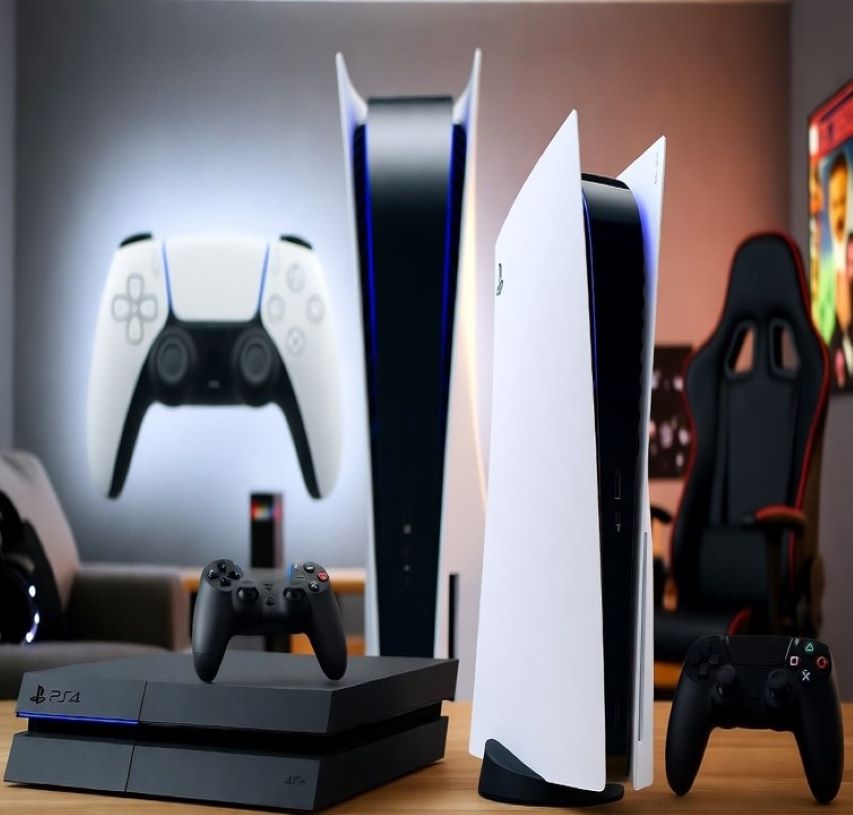
Sony Interactive Entertainment (SIE) has announced plans to begin a strategic, gradual reduction in support for the PlayStation 4 (PS4) console starting in spring 2026. This move signals the official shift in focus toward the PlayStation 5 (PS5) and future hardware, aiming to modernize the PlayStation ecosystem.
📅 Key Details of the Support Reduction
The phase-out will not result in an immediate shutdown, but it will primarily impact new game development and the PlayStation Plus service.
Phasing Out PSN Features (Spring 2026)
Starting in spring 2026, developers will no longer be able to integrate specific legacy PlayStation Network (PSN) features into new PS4 game releases.
Retiring Features: Key tools being retired include the Activity Feed Web API, Title Small Storage (TSS), Title User Storage (TUS), Users and Profiles, Word Filters, and Shared Media Web API.
Impact on New Games: This will affect social sharing, content moderation, and user data management in upcoming PS4 titles.
No Impact on Existing Games: All existing PS4 games will retain their full functionality, including online multiplayer, digital downloads from the PlayStation Store, and access to all currently integrated features. Essential security patches and bug fixes will continue for the foreseeable future.
Impact on New Content & Third Parties
Major developers are already aligning with Sony's timeline:
Third-Party Exits: Popular free-to-play titles, such as Genshin Impact, have announced they will cease PS4 support by April 2026, requiring players to upgrade to PS5 or other platforms.
Franchise Prioritization: Major cross-generation franchises (e.g., Call of Duty) are expected to increasingly prioritize or become exclusive to the PS5.
Changes to PlayStation Plus
Subscription services will also see adjustments beginning early 2026 to incentivize the upgrade to the PS5.
PS4 Game Catalog Reduction: Starting in January 2026, Sony will cease adding PS4-exclusive games to the PlayStation Plus game catalog on a regular basis.
PS4/PS5 Continuity: Titles that offer both PS4 and PS5 versions will remain eligible for inclusion in the catalog.
Backward Compatibility Focus: The vast majority of the PS4's library (over 4,000 games) is playable on the PS5. Premium tiers (Extra and Premium) will continue to support streaming and downloading compatible PS4 games via backward compatibility, often with enhanced performance like faster load times and higher resolutions.
📊 PS4's Storied Legacy and Market Shift
The PS4, which debuted in November 2013, was a massive success for Sony, helping the company regain market leadership.
Metric | PS4 Legacy | Context |
|---|---|---|
Sales | Surpassed 117 million units sold worldwide. | Driven by iconic exclusives (God of War, The Last of Us Part II). |
New Hardware | The PS5, launched in 2020, has already surpassed 60 million units sold. | Indicates the rapid adoption of next-gen technology. |
Strategic Move | Industry analysts view this phase-out as a logical, necessary step (similar to the PS3 retirement) to focus resources on the PS5, PS VR2, and future hardware (e.g., the rumored PS6). |
✅ What This Means for PS4 Owners
The transition is a graceful bow-out, not an abrupt ending.
Usability Remains: Online servers for multiplayer games will likely remain operational for years, dependent on publisher decisions. Core services like account management, digital purchases, and trophy syncing will remain intact.
Recommendation: Gamers considering an upgrade should remember the PS5's comprehensive backward compatibility, which often enhances the PS4 catalog with 4K upscaling and 60 FPS modes. Now is an increasingly affordable time to switch, given common PS5 discounts.