
Buying a used car can be one of the smartest financial decisions you’ll ever make — but only if you go in prepared. A used vehicle can hide costly secrets that a quick walk-around will never reveal. This guide covers the entire process, from the preliminary considerations and the tools you’ll need, to a meticulous hands-on inspection and the paperwork that seals the deal.
PRE-PURCHASE CONSIDERATIONS
Before you ever set eyes on a car, get your priorities straight. This will save you hours of looking at the wrong vehicles.
Budget (Total Cost of Ownership):
The purchase price is just the beginning. Account for sales tax, registration, insurance, fuel consumption, and a maintenance reserve. A cheap luxury car can bankrupt you with repair bills. Get insurance quotes for the exact model before committing.
Needs vs. Wants:
Define your non-negotiables: seating capacity, cargo space, all-wheel drive, fuel economy, safety ratings, and typical commute distance. Be honest about what you really need. A pickup truck is a poor daily driver if you only haul mulch once a year.
Model Research:
Narrow your search to 2–3 specific models known for reliability. Read long-term reviews, owner forums, and check reliability indexes (Consumer Reports, J.D. Power, Dashboard Light). Pay attention to common problems — every model has a weak spot (transmission, timing chain, electronics). Factor in the cost of that known repair.
Market Value:
Use Kelley Blue Book, NADA Guides, Edmunds, and local classifieds to understand fair market value. Never rely on the seller’s asking price alone. Check both private-party and dealer retail values.
Vehicle History Report:
Before you even drive to see the car, purchase a Carfax or AutoCheck report using the Vehicle Identification Number (VIN). Look for:
Salvage, flood, or rebuilt title brands
Odometer rollbacks
Number of previous owners (more owners = greater risk of neglected maintenance)
Accident history, especially structural damage or airbag deployment
Consistent service records (frequent oil changes, major milestone services like timing belt replacement)
Open safety recalls (check the NHTSA website with the VIN)
THE TOOL KIT — WHAT TO BRING TO THE INSPECTION
A professional-looking inspection isn’t complicated; you just need a few modest tools. Pack a small bag with the following:
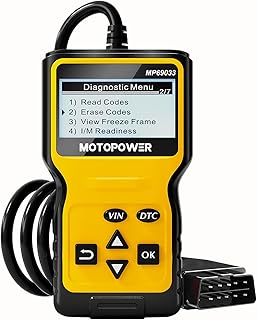
OBD-II Code Reader (essential):
A Bluetooth/wireless scanner that pairs with your smartphone (e.g., using the Torque, Car Scanner, or OBDeleven app). Even a basic $30 reader will show you if diagnostic trouble codes (DTCs) have been recently cleared — a huge red flag. Check the “monitor readiness” status; if monitors are incomplete, the codes were likely wiped to hide a check engine light.
Bright Flashlight or Headlamp:
Hands-free lighting is invaluable for peering into the engine bay, under the car, and into wheel wells.
Mechanic’s Gloves and a Clean Rag:
Useful for checking fluids, touching greasy parts, and wiping dipsticks.
Magnet (a fridge magnet is fine):
Wrap it in a soft cloth and run it along lower body panels. If the magnet refuses to stick, you’ve found thick body filler (Bondo) indicating accident repair.
Tread Depth Gauge:
Tells you exactly how much tire life remains. Anything below 4/32" means imminent replacement. Also check for uneven wear — it suggests alignment, suspension, or frame damage.
Penny and Quarter (low-tech tire test):
Insert a penny with Lincoln’s head down; if you see the top of his head, tread is too worn (≤2/32"). Use a quarter for 4/32" threshold — Washington’s head should be partially covered.
Paint Thickness Gauge (optional, but revealing):
Professional inspectors use this 50–50–100 tool to detect repainted panels. Paint substantially thicker than factory levels indicate bodywork.
Smartphone:
For taking detailed photos, recording seller claims, using a flashlight app, looking up VIN decoders, and playing music to test speakers. Also, have a friend on standby — never go alone.
Notepad and Pen:
Physically check off items as you go; it’s easy to get excited and skip steps.
THE EXTERIOR INSPECTION — BODY & FRAME
Choose daylight, preferably on a cloudy day when shadows don’t hide imperfections. The car must be dry; water hides scratches and mismatched paint. Park it on level ground.
Overall Walk-Around
Walk slowly at a distance of 10–15 feet. Look for waviness in reflections, color mismatch between plastic bumpers and metal panels, and uneven panel gaps. Modern cars have consistent 3–5 mm gaps; anything wider or narrower on one side suggests previous structural damage.
Examine every piece of glass. The manufacturer’s label should be printed in a corner of each window; mismatched brands or VIN-less glass means a replacement, possibly from a break-in or accident.
Headlights and taillights should be clear, not yellowed or fogged (unless you budget for restoration), and should have no internal condensation.
Paint & Rust
Use your magnet/cloth method on lower doors, rear quarter panels, and wheel arches.
Look for “orange peel” (a bumpy texture) inconsistent with the factory finish — sign of a respray.
Check edges: inside door jambs, trunk lid edges, and hood edges for overspray, paint ridges, or missing clear coat.
Rust is cancer. Surface rust is manageable; bubbled paint or flaking metal indicates rot. Probe suspicious spots gently with your fingertip. Pay special attention to wheel wells, rocker panels, under the doors, and around the fuel filler.
Doors, Hood, and Trunk
Open and close every door, the hood, and the trunk. They should move smoothly and settle without having to be slammed. A door that sags or scrapes the striker may indicate a shifted frame.
Check the rubber weatherstripping; torn seals cause wind noise and water leaks.
Wheels & Tires
All four tires should be the same brand and model on a mainstream car, unless staggered from the factory. Mismatched tires imply careless maintenance or accident repair.
Look at the sidewalls for bulges, cracks, or scuffs. Curb rash on alloy wheels is cosmetic, but bent rims are structural and cause vibration.
Check the spare tire (if equipped), jack, and toolkit. A used-up space-saver may have been returned flat.
Lights & Electrics
Have a partner walk around while you operate the headlights (low/high beams), turn signals, brake lights, reverse lights, and hazard flashers. Don’t forget the license plate light. A ticket for a dead bulb is yours the day you buy it.
UNDER THE HOOD — THE ENGINE BAY
The engine must be completely cold. Insist on a cold start when you arrive; a warm engine can mask starting problems, rattles, and turbo issues.
Before Starting
Pop the hood and sniff. Sweet syrup smell = coolant leak. Acrid, oily smell = burning oil or exhaust leak. Moldy odor = water leaks.
Look for recent wipe-downs. A pristine engine bay may hide chronic leaks. Use your flashlight to look behind, under, and around the engine cover.
Check all fluid levels and conditions:
Engine oil: Pull the dipstick, wipe, reinsert, pull again. The oil should be translucent golden to dark brown, not black and gritty. A milkshake-like residue (frothy tan substance) means coolant mixing with oil — likely a blown head gasket.
Coolant: Look at the reservoir (never open the radiator cap when hot!). It should be brightly colored (green, orange, pink) and free of oil or rust particles.
Brake fluid: Clear to light amber. Dark brown means it’s old and moisture-saturated.
Transmission fluid (if automatic with a dipstick): Pinkish-red and sweet-smelling, not burnt-smelling or brown.
Power steering fluid: Should be at the correct level.
Squeeze radiator hoses. They should feel firm but not rock-hard (internal pressure when cold = possible head gasket) or squishy/cracked.
Inspect the serpentine belt for cracks, glazing, or fraying.
Battery terminals should be clean and free of white/green corrosion. Check the battery date sticker; older than 3–5 years may need replacement soon.
Look for any wiring harnesses taped up or unplugged sensors — signs of amateur electrical work.
The Cold Start-Up
With the hood still open, start the engine. Listen for a metallic rattle on the first seconds (timing chain tensioner), loud belt squeal, or knocking. The idle should settle smoothly below 1000 RPM within a minute or two without stumbling.
While idling, go back under the hood and listen for ticking (which could be normal direct injection or a concerning lifter tick), hissing vacuum leaks, or irregular rhythm.
While Running
Rev the engine gently (around 2500 RPM) and listen for rattles, knocks, or turbo whine. Blue smoke from the exhaust = burning oil; white smoke (that persists after warm-up) = coolant; black smoke = too much fuel.
Use your code reader. Even if the check engine light is off, read the stored codes and check monitor readiness. Any pending or historical codes require an explanation and preferably a pre-purchase mechanic’s diagnosis.
INTERIOR INSPECTION
Slip into the driver’s seat and approach this like a detective.
Odor: Musty smell indicates water ingress (sunroof drains, heater core leak, or flood damage). Heavy air fresheners are a cover-up. Sniff the carpets deeply.
Seat Condition: Excessive wear on the driver’s left bolster for a low-mileage car suggests the odometer may have been rolled back. All seat adjustments (electric and manual) should work. Fold the rear seats and check for trunk accessibility.
Pedals & Steering Wheel: Worn pedal rubbers and a shiny, smooth steering wheel rim on a supposedly 50,000-mile car? Suspicious.
Electronics Gauntlet: Test every button, switch, and knob. Yes, that means:
Power windows (all four) — listen for grinding regulators.
Power mirrors, power locks.
Sunroof/moonroof operation and look for water stains around the headliner.
Climate control: full-heat, full-AC, defroster (front and rear), fan speeds.
Infotainment: touchscreen response, navigation loading, Bluetooth pairing.
Heated/ventilated seats, steering wheel heater.
All door locks, including the physical key in the driver’s door.
Horn, windshield wipers/washers.
Instrument Cluster: Turn the ignition to “ON” (not start). Every warning light should illuminate as a bulb check, then most should turn off after starting — especially airbag, ABS, traction control, and check engine. A missing airbag light can be taped over to hide a fault.
Flood Damage Check: Look under the dash with your flashlight for dried mud, silt, or rust on unpainted metal brackets. Check seat rails for rust. Lift the carpets and check for water lines, dampness, or mustiness. A flood car is a perpetual nightmare of electrical gremlins.
Trunk/Cargo Area: Lift the carpet and inspect the spare tire well. Any water, rust, or body filler? Sniff for gasoline from a leaky fuel pump seal. Check that the emergency trunk release works.
UNDERNEATH THE VEHICLE
If you can’t safely get the car on a lift, at least bring a tarp, lie on the ground, and angle your flashlight.
Frame/Unibody: Look for kinks, creases, or fresh undercoating that hides welds. Factory seams are uniform. Wavy metal or welded-on sections mean structural repair.
Exhaust: Black sooty patches indicate leaks. The entire system should be solid, with no dangling sections. Listen for a rattle inside the catalytic converter (broken honeycomb).
Leaks: Any wetness is suspect. Identify the fluid by color and location:
Engine oil: dark brown/black, front or rear main seals, oil pan gasket.
Transmission fluid: reddish, at the transmission-to-engine joint or pan.
Coolant: bright color, lower radiator, water pump area.
Power steering fluid: reddish or clear, near steering rack boots.
Brake fluid: clear/light brown, inside wheel area (ABS unit or calipers).
Shock/strut dampness: a light mist is acceptable, but wet running-down oil means they’re blown and need replacement.
Suspension & Steering: Have a helper rock the steering wheel back and forth (engine on) while you inspect tie rod ends, ball joint boots (torn rubber = dirt entry = imminent failure), and control arm bushings. Grab each front wheel at 3 and 9 o’clock and shake; play indicates tie rod wear. At 12 and 6 o’clock, play means wheel bearing or ball joint.
Brakes: Look through the wheels at the brake rotors for deep grooves, scoring, or a rusted lip on the edge. The brake pad material should be visible, not worn flush to the backing plate.
CV Joints/Boots: Rubber boots on the drive axles should be intact and not slinging grease. A torn boot will quickly ruin the joint.
THE TEST DRIVE — WHERE THE TRUTH LIVES
Never skip the test drive; let the seller know you’ll need 20–30 minutes on varied roads. Drive with the radio off at first to hear everything.
Cold Start & Idle (again): Confirm the car starts easily and idles without excessive vibration. Turn the wheel fully left and right while stationary (power steering pump stress test) — it should be smooth, no groaning or belt squeal.
Acceleration: Pull out gently, then perform a few moderate- and hard-acceleration runs. The engine should pull strongly and smoothly, with no hesitation, misfire, or blue smoke. The transmission must shift seamlessly; watch the tachometer for a “flare” (RPM spike during shift) indicating a slipping automatic.
Transmission Behavior: In an automatic, shifts should be felt but not harsh. In a manual, the clutch should engage roughly midway in pedal travel, not at the very top. Test each gear, including reverse. Feel for grinding or popping out of gear during deceleration.
Brakes: On a safe, empty road, brake firmly from about 45 mph without taking your hands off the wheel. The car should stop straight without pulling to one side. Any pulsation in the pedal indicates warped rotors. Listen for grinding (metal-on-metal). Give the parking brake a gentle test on a slight incline.
Steering & Suspension: On a smooth straight road, lightly hold the steering wheel. The car should track dead true; consistent pulling indicates alignment issues or tire problems (but could be a bent frame). Drive over bumps. Rattles, clunks, or a floaty sensation mean worn shocks, struts, or sway bar links. A sharp, metallic “pop” on speed bumps often means worn control arm bushings.
Cruising & Wind Noise: At highway speed, listen for whistling wind noise or a humming that changes with speed (wheel bearing). The temperature gauge must stay steady, slightly below the midpoint.
Post-Drive Check: Park and leave the engine idling. Pop the hood again and sniff for burning fluids or fresh smoke. Look under the car for new drips. Turn off the engine and immediately restart it — a poor hot start can point to a failing fuel pump, starter, or vapor lock issue.
PAPERWORK & VERIFICATION
Never hand over money until you’ve verified everything.
Title: The seller’s name must match exactly the name on the title. Look for “salvage,” “rebuilt,” “flood,” or “lemon law buyback” brands. If there’s a lien, demand a lien release document. A “title jumping” (seller’s name not on the title) is illegal in most states and will trap you.
VIN Verification: The VIN on the dashboard (driver’s side near the windshield), the door jamb sticker, and the title must all match perfectly. Check the federal certification label on the driver’s door jamb for the manufacture date and VIN. Look for tampered rivets on the VIN plate.
Service Records: A thick folder of receipts is gold. Check for regular oil changes and major milestone services (timing belt/chain, water pump, transmission fluid, spark plugs). Missing records don’t mean the work wasn’t done, but you must budget for catch-up maintenance.
Owner’s Manual & Spare Keys: Two keys is ideal; a single key can be expensive to duplicate on modern cars (especially transponder/proximity keys). Ensure you get the key code tag if available.
Emissions & Safety Inspection: If your state requires a valid smog or safety certificate, ensure it’s current and in your name if required post-sale, or negotiate who pays.
Bill of Sale: Include the VIN, date, sale price, names and signatures of both parties, odometer reading, and a statement like “sold as-is, where-is” (for private sales). This protects both parties.
THE PROFESSIONAL PRE-PURCHASE INSPECTION (PPI)
Even if you follow every step above, a professional mechanic’s inspection can reveal hidden engine internal, compression, and frame issues. For any car priced over a couple thousand dollars, a PPI is non-negotiable.
Arrange with an independent shop (not the seller’s mechanic). Expect to pay 100–100–200.
They’ll perform a compression test, block test (for combustion gases in coolant), and put the vehicle on a lift for a forensic-level inspection.
If the seller refuses a PPI, you walk away. Period.
NEGOTIATION AND CLOSING THE DEAL
Armed with your inspection findings and market research, you’re ready to negotiate.
Prioritize safety and mechanical issues (brakes, tires, leaks, timing belt due) over cosmetic ones.
Be polite but firm. Use concrete evidence: “The tires are at 3/32” and need immediate replacement, which costs $600. I’m factoring that into my offer.”
Know your walk-away number ahead of time. Emotion is your enemy.
Finalize payment securely: for private sales, meet at the buyer’s bank to transfer funds or use a cashier’s check. Never carry large amounts of cash. Get a receipt.
Complete the title transfer immediately; don’t let the seller promise to mail it later. Remove your license plates (in states where they stay with the seller).
FINAL CHECKLIST (QUICK REFERENCE)
Before You Go
Vehicle history report reviewed
Market value researched
Insurance quote obtained
Tool kit packed (code reader, flashlight, magnet, tread gauge, gloves)
The Inspection
Cold engine confirmed; codes read, monitor status checked
Body — paint, panel gaps, rust, magnet test
Glass & lights all functional
Fluids — oil (no milkshake), coolant, brake, trans
Belts, hoses, battery, no active leaks
Interior — electronics, smells, flood evidence, warning lights
Underneath — frame, exhaust, suspension, CV boots, rust
Test Drive
Engine pulls smoothly, no smoke
Transmission shifts cleanly (all gears, including reverse)
Brakes stop straight, no pulsation or grinding
Steering tracks straight, no clunks over bumps
Hot restart successful, temperature gauge steady
Paperwork
Title matches seller, no salvage brands, VINs all match
Bill of sale signed
Service records reviewed
PPI completed (or scheduled with contingency)
Buying a used car doesn’t have to be a gamble. Methodical attention to detail turns you from a hopeful buyer into an informed negotiator. Take your time, trust your senses, and when in doubt, walk away. The right car is out there, and now you know exactly how to find it.
 |  |  |
 |  |  |