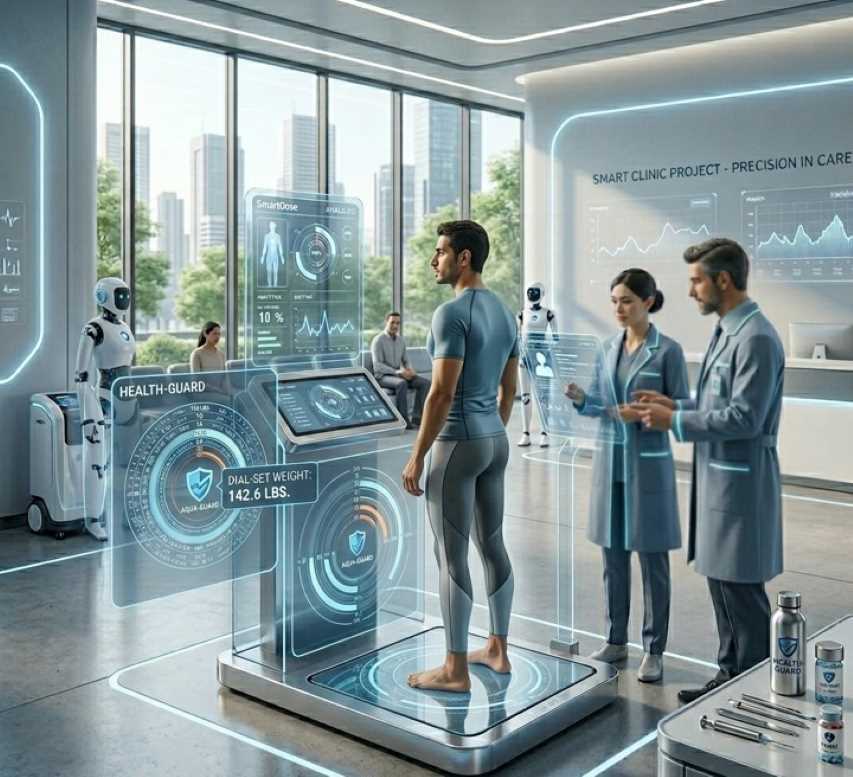
🤔 What is a Smart Clinic?
A Smart Clinic is a healthcare facility that integrates advanced technologies—such as Artificial Intelligence (AI), the Internet of Things (IoT), cloud computing, and telemedicine—into its daily operations to enhance patient care, streamline clinical workflows, and improve operational efficiency.
Unlike traditional clinics that rely heavily on manual processes and paper-based records, a smart clinic leverages interconnected digital tools to create a seamless, patient-centered experience. From the moment a patient schedules an appointment online to post-consultation follow-ups, every step is digitized, automated, and optimized. The overarching aim is to enable predictive, preventive, and personalized healthcare through interoperable, customizable platforms.
Think of it as a healthcare ecosystem where data flows freely and securely, devices communicate intelligently, and clinicians are empowered to focus on what matters most: their patients.
🔧 Core Components of a Smart Clinic
A smart clinic is not defined by a single technology but by an integrated ecosystem of solutions working in harmony. The key components include:
☁️ Cloud-Based Hospital Information Management Systems (HIMS)
The digital backbone of a smart clinic, cloud-based HIMS replaces outdated paper systems or legacy on-premise software. It centralizes patient records, billing, inventory, and scheduling into a single, real-time platform accessible from any internet-connected device. This eliminates data fragmentation, reduces administrative burdens, and enables seamless collaboration across departments.
Scalability: The system grows with the clinic, automatically adjusting to increasing patient volumes without costly hardware upgrades.
Cost-Effectiveness: Subscription-based pricing eliminates high IT maintenance costs and makes budgeting predictable.
📊 Electronic Health Records (EHR) and Interoperability
A smart clinic must ensure that patient data is not trapped in silos. Interoperability—the ability of different systems to exchange and use data—is critical. Standards like HL7 FHIR (Fast Healthcare Interoperability Resources) and SMART on FHIR enable secure, real-time data sharing between clinics, hospitals, pharmacies, and laboratories.
This unified view of the patient allows for faster, more accurate clinical decisions and eliminates duplicate tests and unnecessary delays. For instance, Wellstar Health System uses FHIR to synchronize data between its EHR and CRM, creating a single, actionable patient view.
🤖 Artificial Intelligence (AI) and Machine Learning
AI acts as the cognitive engine of a smart clinic, enhancing diagnostics, automating workflows, and predicting patient needs.
AI-Powered Diagnostics: AI algorithms can analyze medical images (X-rays, CT scans) with remarkable speed and accuracy. For example, Biomedica's AIXA® suite can generate automated quantitative reports for osteoporosis and other conditions from a single X-ray image in under six seconds. TytoCare's AI, built on over 7 million primary care exams, supports diagnostic decisions for respiratory conditions.
Clinical Decision Support: AI tools can act as a "copilot" for clinicians. In a trial across sixteen Nairobi clinics, an AI copilot reduced diagnostic errors by 16% and treatment errors by 13%, using a simple traffic-light alert system that respects clinical autonomy.
Automated Documentation: AI-powered transcription and documentation tools significantly reduce administrative burdens. HKUST's SmartCare platform, for instance, can auto-generate over 30 types of medical documents, including referral letters and prescriptions, freeing doctors to focus on patient interaction.
Predictive Analytics: AI can analyze patient data to identify at-risk individuals, forecast busy periods, and predict disease progression, enabling proactive, preventative care.
🌐 Telemedicine and Remote Patient Monitoring (RPM)
Smart clinics extend their reach far beyond their physical walls through virtual care solutions.
Telemedicine: Video consultations, online appointment scheduling, and digital prescriptions allow patients to access care from home, reducing travel and wait times. Parkland Health's "Parkland Connect" telehealth clinic provides video and phone visits, removing barriers like transportation and childcare for underserved communities.
Remote Patient Monitoring (RPM): Wearable devices and home-based sensors continuously track vital signs (heart rate, blood pressure, oxygen levels, glucose) and transmit data to clinicians in real time. This is particularly transformative for managing chronic conditions like hypertension, heart failure, and diabetes, enabling early intervention and reducing hospital readmissions. Cisco has enabled continuous monitoring outside intensive care by using Wi-Fi infrastructure to connect medical wearables, eliminating the need for extra gateways.
📡 Internet of Medical Things (IoMT)
The IoMT refers to the network of connected medical devices and sensors that collect and transmit health data. This includes:
Wearable Devices: Smartwatches, ECG patches, glucose monitors, and chest-worn biosensors that provide continuous, real-time patient data.
In-Room Sensors: Ambient sensors that monitor room occupancy, patient movement, and even environmental conditions like temperature and humidity.
Smart Beds and Equipment: Beds that adjust pressure to prevent bedsores and automatically log data into the patient's digital chart.
These devices create a data-rich environment that supports faster, more personalized decisions and can detect early signs of complications before they become emergencies. The UniSensor project, for example, is developing a portable, hospital-grade device for continuous vital sign measurement combined with an interactive pain scale, all seamlessly connected to hospital systems.
🏢 Smart Building and Energy Management
A truly smart clinic also optimizes its physical environment. Smart building management systems (BMS) integrate and automate HVAC, lighting, security, and other systems to improve energy efficiency, patient comfort, and staff productivity.
Patient-Controlled Environments: At the NHS National Rehabilitation Centre, patients can control room temperature, blinds, and lighting using a bedside terminal, body movements, or even voice activation—reducing reliance on staff and enhancing autonomy.
Energy Efficiency: ABB's ClimaECO HVAC automation system has delivered energy savings of up to 30% in a German health center by seamlessly integrating room automation with primary HVAC systems. Schneider Electric's EcoStruxure Building Operation adapts environmental conditions based on occupancy, reducing consumption and operational costs.
Sustainability: The NHS National Rehabilitation Centre is the first building in England to meet the NHS Net Zero Operational Building Standard, demonstrating that high-quality patient care and environmental responsibility can go hand in hand.
✨ Key Benefits of Implementing a Smart Clinic
The transformation to a smart clinic delivers tangible advantages for patients, clinicians, and healthcare systems.
🏥 Enhanced Patient Experience and Access
Reduced Wait Times: AI-driven triage and resource allocation streamline patient flow from check-in to checkout.
24/7 Accessibility: Telemedicine and online portals allow patients to access care anytime, anywhere.
Personalized Care: Unified patient data enables clinicians to tailor treatments to individual needs and preferences.
👨⚕️ Improved Clinical Outcomes and Safety
Fewer Medical Errors: AI clinical decision support tools have been shown to reduce diagnostic and treatment errors by over 10%.
Earlier Detection: Continuous monitoring and AI-powered image analysis enable early detection of disease, improving prognosis.
Proactive Intervention: Real-time alerts from RPM devices allow clinicians to intervene before a minor issue becomes a major emergency.
💰 Operational Efficiency and Cost Savings
Reduced Administrative Burden: Automated documentation, scheduling, and billing free clinical staff to focus on patient care.
Lower Hospitalization Rates: Sheba Beyond's smart prenatal monitoring has saved significant hospital days by enabling safe home care for high-risk pregnancies.
Energy Savings: Smart building management can reduce energy consumption by up to 30%, significantly lowering operational costs.
📈 Data-Driven Decision Making
Real-Time Analytics: Command centers provide care managers with a unified dashboard to monitor all aspects of clinic operations, from patient flow to resource utilization.
Predictive Insights: AI analytics can forecast busy periods, enabling proactive allocation of staff and equipment.
Continuous Improvement: Measurable clinical and operational indicators allow for evidence-based process optimization.
🚧 Challenges and Considerations
Implementing a smart clinic is a complex journey. Key challenges include:
🔒 Data Privacy and Cybersecurity
The interconnected nature of smart clinics creates multiple points of vulnerability. Protecting patient data from breaches is paramount, requiring rigorous compliance with regulations like GDPR, HIPAA, and HITRUST. Every new connected device introduces another potential attack surface, necessitating robust security protocols, access controls, and continuous monitoring.
🔗 Interoperability with Legacy Systems
Many healthcare facilities still rely on outdated software and proprietary devices. Integrating these legacy systems with modern IoT and AI platforms is a significant technical hurdle. Variations in data standards—even within standards like HL7v2—can complicate real-time data exchange, requiring custom middleware and deep domain expertise.
⚖️ Ethical AI and Algorithmic Bias
AI algorithms are only as good as the data they are trained on. Biased or non-representative data can lead to inaccurate predictions or recommendations, potentially exacerbating health disparities. Ensuring transparent, bias-free, and explainable AI is an ethical and regulatory necessity.
💰 High Initial Investment and Return on Investment (ROI)
The upfront cost of hardware, software, and training can be substantial, particularly for smaller clinics. While cloud-based models reduce capital expenditure, demonstrating a clear ROI and securing funding remains a challenge.
👨🏫 Change Management and Staff Training
Technology is only effective if people use it. Clinicians and staff may resist new workflows, particularly if they perceive the technology as cumbersome or intrusive. Successful implementation requires comprehensive training, user-centered design, and a focus on demonstrating value to end-users.
🌍 Real-World Smart Clinic Projects
Here are just a few examples of smart clinic initiatives making a real difference:
| Project / Initiative | Organization / Location | Key Focus | Impact / Status |
|---|---|---|---|
| ConnectedHealth | Fraunhofer, Portugal | Interoperable, predictive healthcare platform integrating hospital, pharmacy, and IoT systems | Aims to reduce hospitalization days by up to 20% and emergency incidents by 10%. |
| SmartCare | HKUST, Hong Kong | AI platform for triage, consultation assistance, and automated documentation | Pilot at campus clinic serving 15,000+ users; explores collaboration with major hospitals. |
| care.ai Smart Clinic | care.ai, USA | Ambient sensors and AI command center for patient flow and resource allocation | Provides real-time analytics, remote consultations, and automated routine monitoring. |
| Parkland Digital Health | Parkland Health, USA | Telehealth, RPM, ambient listening, and delayed care surveillance | RPM for hypertension and heart failure; AI identifies patients who have missed follow-ups for proactive outreach. |
| AI Consult | Penda Health & OpenAI, Kenya | AI clinical copilot for decision support in primary care | Reduced diagnostic errors by 16% and treatment errors by 13% across 16 Nairobi clinics. |
| NHS National Rehabilitation Centre | NHS & Schneider Electric, UK | Patient-autonomy tech and net-zero building management | Patients control room environment via voice or movement; first NHS building to meet Net Zero Standard. |
🔮 The Future of Smart Clinics
The smart clinic is an evolving concept. Emerging trends point toward an even more integrated, intelligent, and patient-centric future.
Autonomous Clinics: AI-driven systems will increasingly handle routine tasks—from initial triage to monitoring—allowing clinicians to focus on complex cases. The care.ai Smart Clinic platform already demonstrates this potential with its ambient sensors and AI command center.
Predictive and Preventative Care: AI will analyze population health data, genetic information, and lifestyle factors to predict disease risk and recommend personalized preventative interventions, shifting from a reactive to a proactive model.
The Clinic Without Walls: The distinction between home and clinic will continue to blur. TytoCare's Smart Clinic Companion, for example, aims to turn the home into the center of always-on, proactive healthcare, enabling clinical-grade remote exams and AI-guided care.
Generative AI for Clinical Workflows: Large language models (LLMs) will be integrated more deeply into EHRs, automating not just documentation but also generating personalized patient education materials, drafting clinical notes, and even suggesting treatment plans based on the latest medical literature.
Smart Hospitals and Connected Ecosystems: Individual smart clinics will become nodes within larger smart healthcare ecosystems, seamlessly sharing data with hospitals, pharmacies, labs, and community health providers to enable continuous, coordinated care.
🏁 A Smart Clinic Project is far more than a technology upgrade—it is a fundamental reimagining of how healthcare is delivered. By weaving together AI, cloud computing, IoT, and telemedicine, smart clinics create a healthcare environment that is more accessible, efficient, accurate, and personalized.
The journey is not without its challenges—data security, interoperability, and cost remain significant hurdles. However, the real-world examples showcased here demonstrate that these challenges are surmountable. From reducing medical errors in Nairobi to enhancing patient autonomy in the UK, the benefits are real and measurable.
For any healthcare provider looking to the future, the smart clinic is not just an option—it is becoming the standard. It represents a commitment to placing the patient at the center of a seamlessly connected, intelligently supported, and continuously improving care ecosystem. The future of healthcare is smart.
 |  |  |
 |  |  |