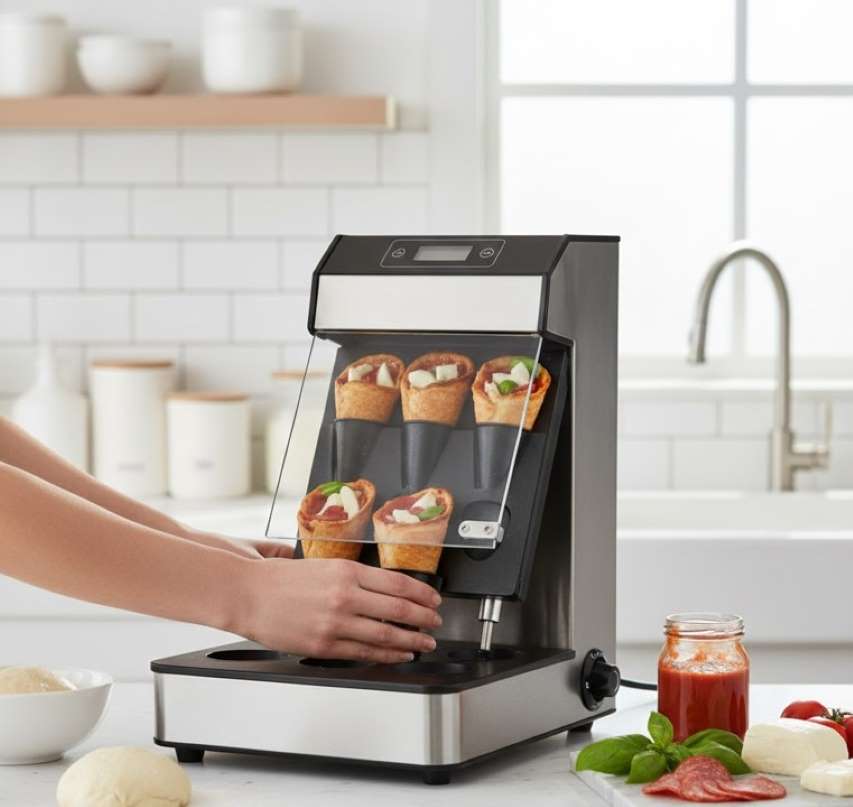
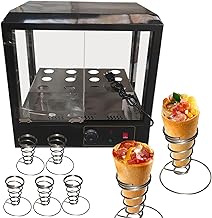
The Pizza Cone Machine is a specialized commercial foodservice appliance designed to automate and streamline the production of pizza cones—a portable, handheld hybrid of pizza and ice cream cone. This innovation transforms traditional pizza ingredients into a novel edible-container format, targeting the fast-casual street food market, festivals, stadiums, and food trucks where convenience and novelty drive sales.
The core vision is to contain the complete pizza experience—sauce, cheese, and toppings—within a leak-resistant, baked dough cone, enabling mess-free consumption on the go.
Machine Types & Operational Scale
Type | Description | Typical Use Case |
|---|---|---|
Semi-Automatic | Requires operator to place dough, portion fillings, and remove finished cones. Machine handles shaping and baking. | Small cafes, food trucks, start-ups. |
Automatic | Integrated conveyor system; automates dough feeding, filling injection, and baking with minimal supervision. | High-volume outlets, mall kiosks, dedicated pizza cone shops. |
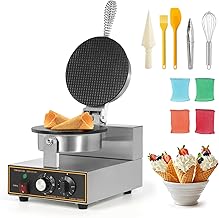
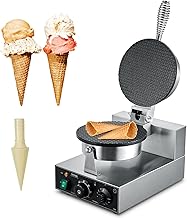
Cone Baker Only | Only bakes pre-formed dough cones. Fillings are added manually after baking. | Lowest-cost entry; for businesses making cones from pre-prepared dough forms. |
Core Components & Function
A standard automatic pizza cone machine integrates a production line within a single unit:
Dough Loading Hopper/Feeder: Holds pre-portioned dough balls or receives dough from an external sheeter.
Cone Molding Station: Shapes dough into a conical form using heated, non-stick aluminum or steel molds. The mold's interior is coated to ensure easy release.
Pre-Baking Chamber (Par-Bake): Partially bakes the empty dough cone to set its structure, creating a sturdy vessel. Temperature: ~180-200°C (350-400°F).
Filling Injection System: The critical component. A precision pump or piston injects measured amounts of sauce, cheese, and toppings deep into the cone through a nozzle inserted into the cone's tip or side.
Final Baking/Melting Tunnel: A second, often infrared, heating zone melts the cheese, heats the fillings thoroughly, and crisps the cone's exterior. Temperature: ~200-220°C (400-430°F).
Cooling & Ejection Rack: Allows cones to set for a moment before being automatically or manually ejected onto a serving rack.
Control Panel: Digital interface for setting baking times, temperatures, and fill quantities. May include programmable recipes.
The Production Cycle: Step-by-Step
- Step 1 – Dough Formation
Pre-made pizza dough balls (approx. 80-100g each) are fed into the machine. The dough is pressed and formed around a conical mold. - Step 2 – Par-Baking
The dough cone is briefly baked alone. This step is crucial for creating a moisture barrier, preventing the final product from becoming soggy. - Step 3 – Automated Filling
A nozzle is inserted, and layers of filling—typically sauce first, then cheese, then toppings—are injected in a single, swift action. The sequence ensures even distribution and prevents nozzle clogging. - Step 4 – Final Baking
The filled cone passes through a second heating zone where cheese melts and ingredients integrate while the cone achieves perfect crispness. - Step 5 – Packaging
The finished cone is ejected, often standing upright, and can be served immediately or placed in a proprietary paper sleeve or holder for customer handling.
Key Advantages for Business
High Novelty Factor: Attracts customers seeking a unique, Instagrammable food experience.
Portability & Reduced Mess: Ideal for outdoor events and walking consumption. Superior to traditional slices.
Operational Efficiency: Automated machines can produce a consistent cone every 45-60 seconds with minimal skilled labor.
Portion & Cost Control: Precise filling mechanisms minimize ingredient waste and standardize food cost per unit.
Compact Footprint: A single machine integrates multiple food prep steps (shaping, baking, filling), saving kitchen space.
Menu Versatility: The format can be adapted for dessert cones (e.g., Nutella, fruit), breakfast cones (eggs, bacon), or savory dips.
Challenges & Limitations
Dough Consistency: Requires specific dough viscosity and elasticity. Standard pizza dough may be too slack; recipes often need modification with higher gluten content or additives for structural integrity.
Filling Engineering: Fillings must have the correct rheology—thick enough not to leak, yet fluid enough to be injected. Chunky toppings must be finely diced.
Soggy Bottom Risk: If the par-bake is insufficient or fillings are too watery, the cone tip can become soft and rupture.
- High Machine Investment: Commercial-grade automatic machines represent a significant capital expenditure ($5,000 - $20,000+).
Niche Market Appeal: May be perceived as a fad; requires the right location and marketing to sustain long-term demand.
Cleaning & Maintenance: The filling injectors and narrow molds require diligent daily disassembly and cleaning to prevent dough buildup and bacterial growth.
Commercial & Market Context
The pizza cone machine emerged in the early 2000s, with patents filed globally. Its success is highly dependent on:
Location: Thrives in high-foot-traffic, tourist-heavy, or event-based settings.
Branding & Presentation: Often sold from sleek, modern kiosks that highlight the machine's automation as part of the spectacle.
Complementary Offerings: Successful operators often pair cones with drinks, salads, or dipping sauces to increase average transaction value.
The Pizza Cone Machine is more than an appliance; it is a turnkey system for a specific food format. It exemplifies the mechanization of novelty foods, where engineering (dough rheology, heat transfer, fluid dynamics) is as important as culinary skill.
Its value proposition lies in creating a defensible, process-driven product that is difficult to replicate manually at scale. For an entrepreneur, it offers a branded specialty item with controlled operations. However, success is not guaranteed by the machine alone—it demands astute market positioning, meticulous recipe development, and an understanding that it serves a specific, experience-seeking segment of the fast-food market. It is a testament to the endless innovation within portable food technology.
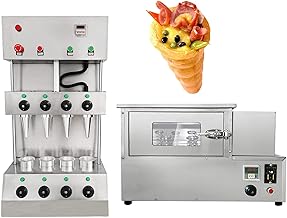 | 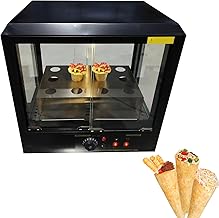 |  |
 |  |  |