
In the heart of Japan's rapidly aging society, a silent epidemic is unfolding. With one of the world's oldest populations, the nation is grappling with a severe dementia crisis that affects millions. Amid a shrinking workforce and chronic labor shortages in caregiving, Japan is strategically turning to technology as a critical lifeline, deploying innovative solutions from Artificial Intelligence-driven diagnostics to sophisticated robotic companions.
These advancements are designed not only to ease the burden on families and overstretched healthcare systems but also to foster a more inclusive and safer society for those affected by cognitive decline.
The Scope of the Crisis
The demographic challenge is staggering:
Projected Cases: According to recent estimates from the Ministry of Health and Welfare, by the year 2030, over 5.23 million people could be living with dementia.
Mild Cognitive Impairment (MCI): An additional 5.93 million people may experience mild cognitive impairment, which is a common precursor to the condition.
Prevalence: This means nearly ten percent of Japan's population could face significant cognitive decline, placing immense strain on societal resources.
Skyrocketing Costs: The projected care costs are expected to soar from nine trillion yen in 2025 to fourteen trillion yen by 2030.
Wandering Incidents: The danger of wandering is a major concern. Last year alone, more than eighteen thousand elderly individuals with dementia wandered away from home—a figure that has doubled since 2012—tragically resulting in nearly five hundred deaths.
🏛️ Government-Led Initiatives Paving the Way
Japan's proactive response to this crisis is bolstered by strong government policies designed to support innovation and care accessibility:
The Basic Act on Dementia to Promote an Inclusive Society: Enacted on January 1, 2024, this fundamental legislation outlines specific responsibilities for national and local governments to actively create supportive environments for dementia patients and their families.
Orange Innovation Project: Led by the Ministry of Economy, Trade and Industry, this program encourages the development of effective dementia care products through user-involved design, ensuring solutions are empathetic and practical.
Local Government Support: Local governments are stepping up with direct services. For example, Kakogawa City offers a free location-monitoring system for elderly dementia patients, covering service fees to ensure the technology is accessible to all who need it.
These initiatives often involve crucial partnerships with technology companies, blending public policy with private sector innovation.
🛰️ Tracking and Monitoring: Preventing Wandering and Ensuring Safety
One of the most pressing dangers is patients wandering away from home, with 19,039 cases reported missing in 2023. Technology offers several layers of defense:
Nationwide Location Systems
Wearable GPS Tags: These ubiquitous systems alert authorities or family members instantly if a person leaves a designated safe zone.
Community Networks: In some communities, convenience store workers receive real-time notifications, effectively turning everyday locations into a vigilant network of guardians capable of locating individuals within hours.
Advanced Institutional Monitoring
LYKAON System (Enazeal Corporation): This utilizes facial recognition technology in nursing facilities. Installed at entrances, it tracks residents and sends immediate alerts to caregivers if unauthorized exits are attempted, significantly reducing wandering incidents and providing peace of mind.
Kakogawa City Patient Monitoring: This system employs a combination of an app, Bluetooth Low Energy (BLE) tags, and "Mimamori Cameras" placed strategically around the city, allowing families to check locations in real-time and ease constant caregiving worry.
Early Detection via Gait Analysis
aiGait (Fujitsu): This advanced Artificial Intelligence system analyzes walking patterns—such as shuffling, slower turns, or balance issues—during routine check-ups. By generating skeletal outlines from motion data, it helps clinicians spot subtle dementia signs early, enabling interventions that can keep patients independent longer.
🧠 Artificial Intelligence-Powered Screening: Early Detection Made Accessible
Early diagnosis is crucial, but traditional methods can be intimidating, time-consuming, and costly. Technology is making screening simpler and more accessible:
ONSEI (Nippontect Systems): This innovative Artificial Intelligence voice analysis tool requires users to simply speak into a device and answer one question, providing a cognitive health readout in just twenty seconds.
With about ninety-eight percent accuracy in detecting changes, ONSEI acts as a quick "temperature check" for the brain, encouraging users to seek further help without anxiety.
It is integrated into public health programs in Tokyo, linking users to community resources for social engagement and preventive health behaviors.
Touch de Brain (Sanda City): This game-like app uses Eisai’s NOU-KNOW software on tablets and smartphones to assess brain health and directly connect users to consultation or prevention programs.
Virtual Reality Self-Checker (Shizuoka City & FOVE): This virtual reality-based tool is incorporated into dementia prevention initiatives to encourage regular, non-invasive check-ups.
🤖 Robotics: From Companions to Caregivers
Japan's longstanding expertise in robotics positions it as a leader in automating and augmenting elder care:
AIREC Humanoid Robot (Waseda University): Weighing 150 kilograms, this robot is designed for heavy-duty tasks such as assisting with dressing, preparing simple meals, folding laundry, changing diapers, and preventing bedsores. While it supplements caregivers, full, safe integration into care environments could take at least five years.
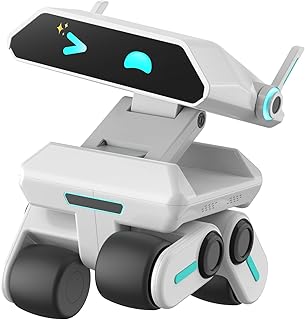
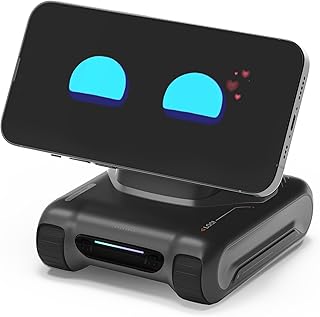
Poketomo (Sharp): This pocket-sized companion robot addresses social isolation. It reminds users to take medication, provides weather-based advice, and engages in conversation to combat loneliness among those living alone.
Historical and Specialized Robots:
Paro: A robotic seal used for therapy and distraction, known for eliciting strong emotional responses from residents.
Robear and Hug: Devices designed for lifting and mobility assistance, respectively, though many specialized robots remain in the prototype phase.
📱 User-Centric Digital Tools: Tablets and Apps for Daily Life
Technology is also being designed directly with the user in mind to foster independence:
Help Tablet Project (LIMNO, Tottori City): This project collaborates directly with dementia patients to design intuitive tablets. Features include item locators, medication reminders, and drawing tools, which empower users to manage daily challenges independently and significantly reduce caregiver burdens.
🚧 Challenges and the Road Ahead
Despite these extraordinary innovations, significant challenges persist:
Low Adoption Rates: Only ten percent of elder-care institutions used robots in 2019, and a mere two percent of home providers have experience with the technology.
Integration Burden: Robots can sometimes add to caregivers' workloads through necessary maintenance and monitoring.
The Human Element: Critically, no technology can fully replace the essential value of human interaction and empathy in caregiving.
Yet, optimism abounds. With over three hundred million dollars invested in research and development and ongoing public-private partnerships, Japan views its aging society as a major technological opportunity. These solutions are not just mitigating an immediate crisis; they are modeling global strategies for aging populations, emphasizing augmentation over automation to preserve the dignity and community ties of those living with dementia.
As Japan continues to innovate, the fusion of technology and empathy offers compelling hope in transforming a demographic challenge into a global showcase of human-centered progress.
 |  |  |
 |  |  |